Understanding the Advantages of High Power Induction Cookers in Modern Kitchens
Jan 15,2026


One of the primary benefits of high power induction cookers is their rapid heating capability. Unlike traditional cooking methods that rely on flames or electric coils, induction cookers utilize electromagnetic energy to directly heat cookware. This results in faster cooking times and significant energy savings. In a fast-paced professional environment, this can translate to improved kitchen productivity, allowing chefs to prepare meals more efficiently.
Additionally, high power induction cookers provide precise temperature control. This allows for consistent cooking results, which is particularly important for professionals who require accuracy in their culinary techniques. Whether you're simmering sauces or searing meats, having the ability to adjust heat levels instantly ensures that dishes are cooked to perfection every time.
Safety is another critical advantage of high power induction cookers. The surface of the cooker remains cool to the touch, reducing the risk of burns. This is especially valuable in busy kitchen settings where accidents can easily happen. Moreover, induction cookers typically feature automatic shut-off functions, adding an extra layer of safety for users who may be multitasking.
High power induction cookers are also environmentally friendly, as they consume less energy compared to traditional cooking methods. A significant portion of energy loss occurs when using gas or electric stoves, but induction technology minimizes this waste. For environmentally conscious chefs and consumers, this aspect is particularly appealing.
User convenience is another hallmark of high power induction cookers. Many models come with features such as timers, touch controls, and built-in safety alerts, making them user-friendly for chefs at all skill levels. Furthermore, the smooth surface of induction cookers simplifies cleaning, as spills can be wiped away easily without the need for scrubbing.
In conclusion, high power induction cookers represent a significant advancement in cooking technology, offering speed, safety, and efficiency. As professionals seek to elevate their culinary practices, these appliances stand out as invaluable tools in the modern kitchen. By incorporating a high power induction cooker, culinary experts can achieve better cooking outcomes, streamline their processes, and promote a safer cooking environment.
Latest News
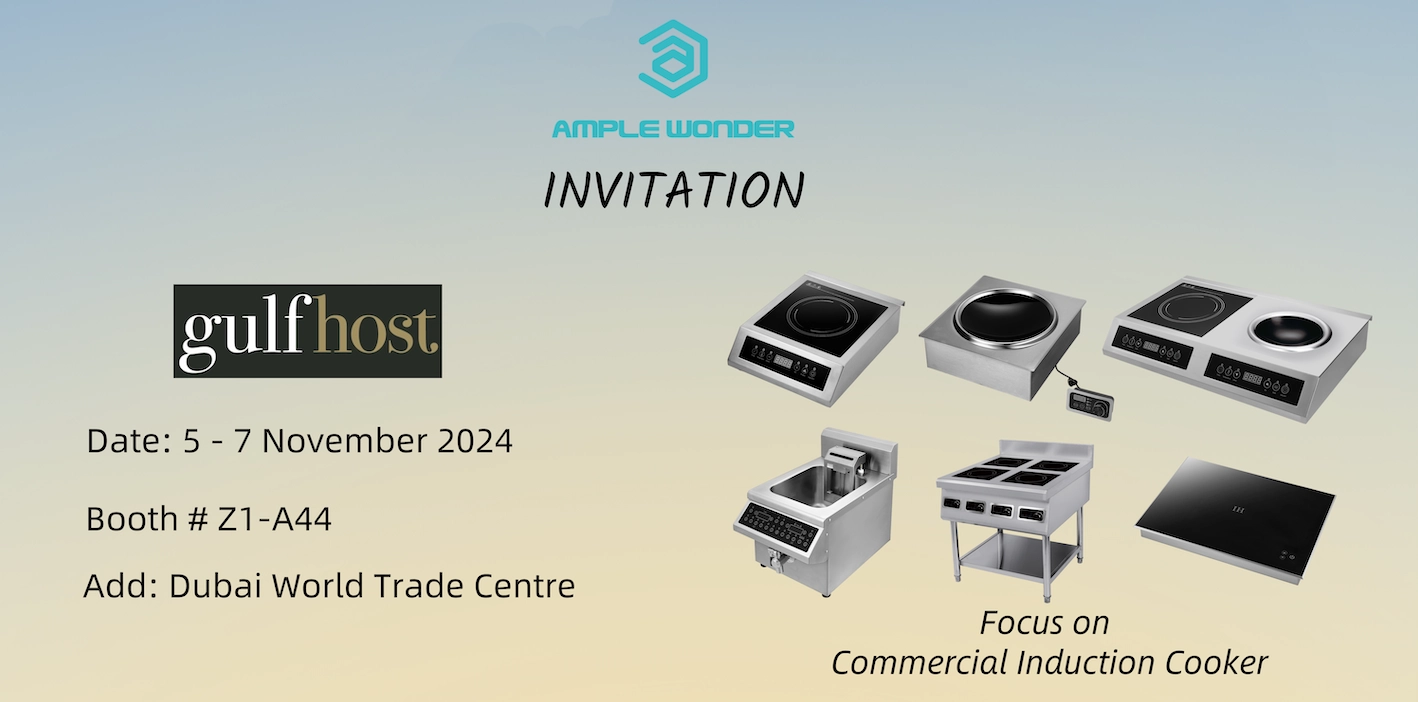
The Gulfhost Fair in Dubai, 5 -7 November, 2024
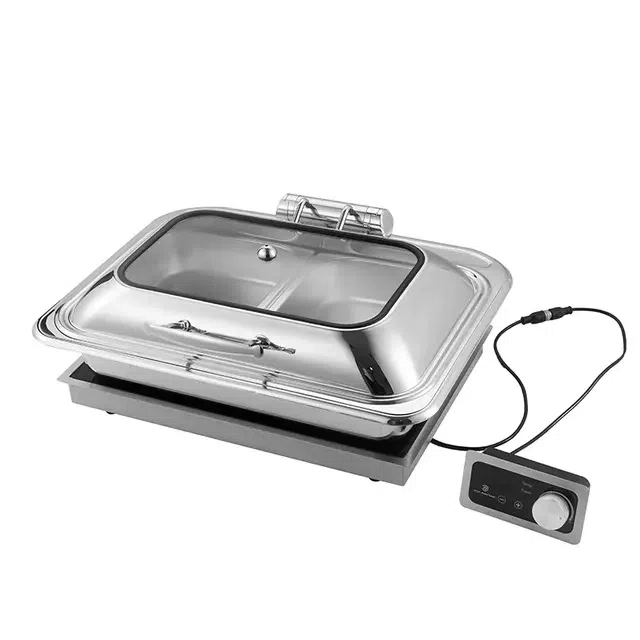
Sustainability And Innovation in The Kitchen: The Role of Commercial Induction Warmers
Any Questions? Get In Touch.
We Can Recommend Suitable Products According To Your Needs.
Any Questions? Get In Touch.
We Can Recommend Suitable Products According To Your Needs.
Get a InquiryMessages
We will contact you within one working day. Please pay attention to your email.
Quick Link
Contact
WhatsApp: 86-13631158918
Skype: steven66668
Address:
703 Room, Block 8, Lingchao Manufacturing Park, No.33 Huafa Road, Huakou Community, Ronggui, Shunde district, Foshan City, Guangdong , China