How Induction Fryers Can Reduce Your Kitchen's Carbon Footprint
Jan 14,2026


How Induction Fryers Can Reduce Your Kitchen's Carbon Footprint
Table of Contents
- Introduction to Induction Fryers
- What Is Induction Cooking?
- Benefits of Induction Fryers
- Energy Efficiency of Induction Fryers
- How Induction Fryers Reduce Carbon Footprint
- Sustainable Cooking Methods Using Induction Fryers
- Practical Uses of Induction Fryers in Everyday Cooking
- Frequently Asked Questions
- Conclusion
Introduction to Induction Fryers
Induction fryers have emerged as a transformative solution in the culinary world, merging technology with sustainability. As we strive to make our kitchens greener, understanding the mechanisms and advantages of induction cooking can significantly impact our carbon footprint. This article delves into the intricacies of induction fryers and their role in creating more eco-friendly cooking environments.
What Is Induction Cooking?
Induction cooking utilizes electromagnetic energy to directly heat cookware. Unlike traditional cooking methods that use gas or electric elements to produce heat, induction technology heats the pot or pan itself, providing rapid and efficient temperature control. This method not only enhances cooking speed but also minimizes energy waste, making it a preferred choice for environmentally-conscious consumers.
How Does Induction Cooking Work?
Induction cooktops contain coils beneath the surface that generate an electromagnetic field. When a compatible pot is placed on the cooktop, the field induces heat directly in the metal of the cookware. This means that the cooktop remains relatively cool, reducing the risk of burns and increasing safety in the kitchen.
Benefits of Induction Fryers
Induction fryers are increasingly popular due to their numerous benefits. Beyond their efficiency, they offer several advantages that cater to modern culinary needs:
1. Enhanced Cooking Speed
One of the most notable benefits of induction fryers is their cooking speed. Induction heating allows for rapid adjustments in temperature, which means cooking can be done in a fraction of the time compared to traditional methods. This efficiency is particularly valuable while preparing multiple dishes simultaneously.
2. Precise Temperature Control
With induction fryers, chefs can achieve precise temperature settings, which is crucial for perfecting recipes. This level of control minimizes the chances of overcooking or burning food.
3. Safety Features
Induction fryers are designed with safety in mind. The surfaces are cooler to the touch, reducing the risk of burns. Additionally, most models have automatic shut-off features that engage when cookware is removed, preventing accidents.
4. Easy to Clean
The smooth surface of induction fryers makes them incredibly easy to clean. Since the cooktop itself doesn't heat up, spills and splatters are less likely to burn onto the surface, allowing for quick and straightforward cleanup.
Energy Efficiency of Induction Fryers
Induction fryers stand out due to their exceptional energy efficiency. They convert approximately 90% of the energy used into heat, compared to only 60% to 70% for traditional electric cooktops and even lower rates for gas stoves. This efficiency translates into lower energy bills and a smaller environmental impact.
Comparative Energy Use
Let's break down the energy consumption for a typical cooking scenario:
- **Induction Fryer**: Uses 1,500 watts of energy and heats up a pot of water in about 5 minutes.
- **Gas Fryer**: Uses approximately 2,500 watts and takes about 10 minutes to achieve the same result.
- **Electric Fryer**: Consumes around 2,000 watts and requires about 8 minutes for the same task.
This stark difference highlights why induction fryers are becoming the go-to choice for energy-conscious users.
How Induction Fryers Reduce Carbon Footprint
Reducing the carbon footprint in our kitchens is a vital step toward combating climate change. Induction fryers play a significant role in this endeavor. Here’s how:
1. Lower Energy Consumption
As previously mentioned, induction technology is far more efficient than traditional cooking methods. By consuming less energy, induction fryers help reduce greenhouse gas emissions associated with electricity generation, particularly if sourced from fossil fuels.
2. Reduced Heat Emission
Induction fryers generate less heat in the kitchen, which means less reliance on air conditioning during the summer months. This reduction in heat output contributes to lower energy consumption and enhances indoor comfort.
3. Sustainable Cooking Practices
Using induction fryers can encourage sustainable cooking practices. For instance, the efficiency of induction cooking makes it easier to prepare meals in bulk, reducing food waste and promoting mindful consumption.
Sustainable Cooking Methods Using Induction Fryers
Incorporating induction fryers into your cooking routine opens up avenues for sustainable cooking that can benefit both the environment and your health.
1. Batch Cooking
Induction fryers are perfect for batch cooking, allowing you to prepare large quantities of meals at once. This not only saves energy but also reduces food waste, as you can store leftovers for later use.
2. Healthier Cooking Options
Induction fryers often require less oil than traditional frying methods, leading to healthier meal options. This reduction in oil not only benefits your health but also lessens the environmental impact associated with oil production.
3. Smart Cooking Practices
The precision of induction fryers allows you to use less energy while achieving perfect results. This encourages mindful cooking and the use of sustainable ingredients, further contributing to a lower carbon footprint.
Practical Uses of Induction Fryers in Everyday Cooking
Induction fryers are versatile appliances that can be integrated into various cooking methods. Here are some practical ways to utilize them:
1. Frying and Searing
Induction fryers excel at frying and searing due to their rapid heating capabilities. Whether you're preparing crispy vegetables or perfectly seared meats, these fryers offer consistent results.
2. Boiling and Simmering
The precise temperature control allows for ideal boiling and simmering, making them perfect for soups, sauces, and stews. You can easily maintain a gentle simmer without the risk of burning.
3. Melting and Tempering
Induction fryers can melt chocolate or temper delicate ingredients with ease. Their precise heat settings ensure you achieve the desired results without the risk of overheating.
Frequently Asked Questions
1. Are induction fryers compatible with all types of cookware?
No, induction fryers require magnetic cookware. Check for the induction symbol on the base of your pots and pans to ensure compatibility.
2. Is cooking with induction safe for everyone?
Yes, induction cooking is generally safe for everyone, but individuals with pacemakers should consult their doctors before using induction appliances due to electromagnetic fields.
3. Can I use induction fryers outdoors?
Induction fryers are typically designed for indoor use, but there are outdoor models available. Ensure you check the specifications before using them outside.
4. Do induction fryers use a lot of electricity?
Induction fryers are energy-efficient, using less electricity than traditional electric or gas fryers. Their efficiency leads to lower energy bills.
5. What maintenance do induction fryers require?
Induction fryers require minimal maintenance. Regularly clean the surface with a damp cloth and avoid abrasive cleaners to maintain their appearance and functionality.
Conclusion
Induction fryers represent a groundbreaking advancement in kitchen technology, offering a sustainable solution for modern cooking. Their ability to reduce energy consumption, lower carbon footprints, and promote healthier cooking practices makes them an invaluable asset in any eco-conscious kitchen. By embracing induction technology, we not only enhance our cooking experiences but also contribute to a more sustainable future. Investing in an induction fryer is not just a culinary choice; it’s a step toward a greener planet.
Latest News
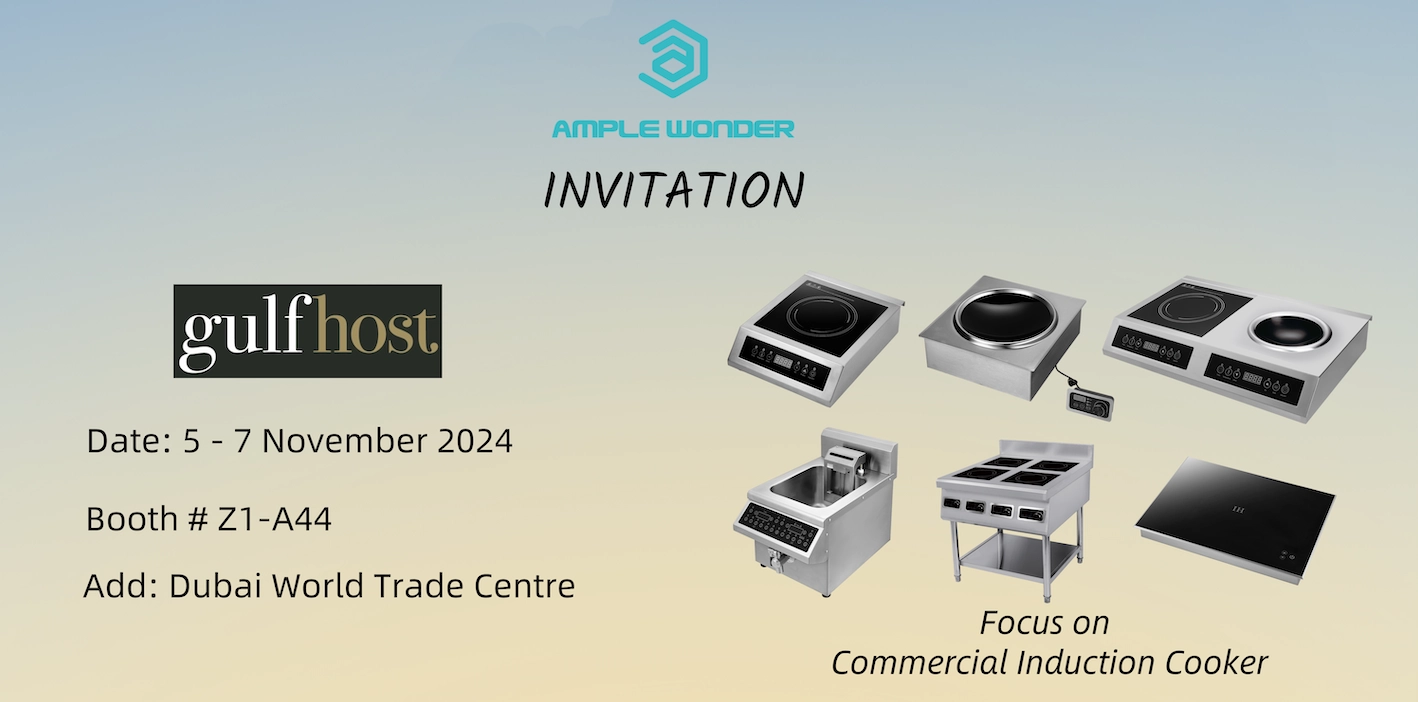
The Gulfhost Fair in Dubai, 5 -7 November, 2024
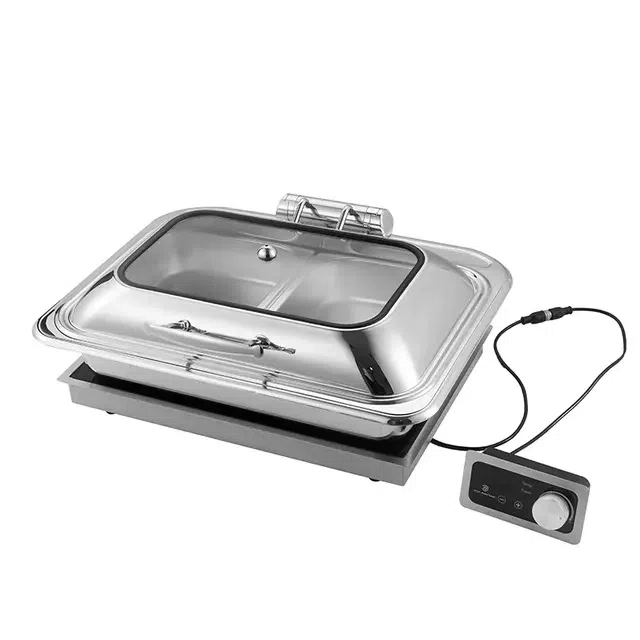
Sustainability And Innovation in The Kitchen: The Role of Commercial Induction Warmers
Any Questions? Get In Touch.
We Can Recommend Suitable Products According To Your Needs.
Any Questions? Get In Touch.
We Can Recommend Suitable Products According To Your Needs.
Get a InquiryMessages
We will contact you within one working day. Please pay attention to your email.
Quick Link
Contact
WhatsApp: 86-13631158918
Skype: steven66668
Address:
703 Room, Block 8, Lingchao Manufacturing Park, No.33 Huafa Road, Huakou Community, Ronggui, Shunde district, Foshan City, Guangdong , China