Maximizing Kitchen Space with a Commercial Induction Cooker: A Comprehensive Guide
Jan 31,2026


Maximizing Kitchen Space with a Commercial Induction Cooker
Understanding Commercial Induction Cookers
What is a Commercial Induction Cooker?
A **commercial induction cooker** is a powerful kitchen appliance that uses electromagnetic energy to directly heat pots and pans. Unlike traditional cooking methods that rely on flames or electric coils, induction cookers create heat within the cookware itself, resulting in faster cooking times and greater energy efficiency. This technology is particularly beneficial in commercial kitchens where space and time are critical.
The Benefits of Using Induction Cookers in Commercial Kitchens
Commercial induction cookers offer several advantages that can help maximize kitchen space and efficiency:
- **Space-Saving Design**: Induction cookers are typically more compact than traditional stoves, allowing for more flexible kitchen layouts.
- **Energy Efficiency**: These cookers consume less energy, which can lead to cost savings and a reduced environmental footprint.
- **Safety Features**: With no exposed flames, induction cookers reduce the risk of burns and kitchen fires, making them safer for busy kitchens.
- **Precise Temperature Control**: Induction cookers offer precise control over cooking temperatures, allowing chefs to achieve perfect results with ease.
Maximizing Kitchen Space with Strategic Layouts
Assessing Your Kitchen Space
Before incorporating a commercial induction cooker, it’s essential to evaluate your kitchen space. Consider the following factors:
1. **Available Counter Space**: Measure your countertops to determine where the induction cooker can be placed without interfering with food prep areas.
2. **Storage Solutions**: Identify storage options for cookware and utensils associated with your induction cooker.
3. **Workflow Efficiency**: Analyze the flow of your kitchen to ensure that the induction cooker complements your cooking routine.
Designing an Efficient Kitchen Layout
When designing your kitchen layout, consider the **kitchen work triangle**, which optimizes movement between the stove, sink, and refrigerator. Here are some configurations that work well with induction cookers:
- **Galley Kitchen Layout**: This design maximizes narrow spaces and allows for efficient cooking and serving.
- **L-Shaped Kitchen**: An L-shaped layout provides ample counter space and allows for easy movement between cooking and prep areas.
- **Island Setup**: Incorporating a kitchen island with an induction cooker can create a central cooking space that encourages interaction and efficiency.
Leveraging Vertical Space for Storage
Utilizing Wall-Mounted Solutions
To maximize kitchen space, consider installing wall-mounted shelves or cabinets. These solutions can store pots, pans, and utensils, keeping them within easy reach of your induction cooker without cluttering countertops.
Under-Counter Storage Options
Utilize the space beneath countertops and islands for storing induction-compatible cookware. Pull-out drawers, cabinets, or racks can provide easy access to necessary cooking tools while maintaining a clean and organized kitchen.
Choosing the Right Commercial Induction Cooker
Key Features to Look For
When selecting a commercial induction cooker, consider the following features:
- **Power Levels**: Look for models with adjustable power settings to accommodate various cooking techniques.
- **Size and Portability**: Choose a size that fits your kitchen layout without sacrificing counter space.
- **Control Panel**: A user-friendly control panel simplifies operation, especially in a fast-paced kitchen environment.
Brands to Consider
Several reputable brands offer high-quality commercial induction cookers. Brands such as **Vulcan**, **CookTek**, and **Electrolux** are renowned for their performance and reliability. Research and compare models to find the one that best fits your kitchen needs.
Enhancing Cooking Efficiency with Induction Cookers
Speed and Precision in Cooking
Induction cookers heat up faster than traditional cooking methods, allowing chefs to complete tasks more quickly. The ability to adjust heat levels instantly means you can achieve precise cooking results, whether you are simmering sauces or searing meats.
Eco-Friendly Cooking Practices
The energy efficiency of induction cookers not only reduces utility bills but also contributes to a greener kitchen. By using less energy and emitting fewer greenhouse gases, commercial induction cookers are a sustainable choice for environmentally conscious chefs.
Integrating Induction Cookers into Your Workflow
Training Staff on Induction Cooking
To maximize the benefits of a commercial induction cooker, it’s crucial to train your staff on its usage. Emphasize the differences between induction cooking and traditional methods, such as understanding cookware compatibility and temperature adjustments.
Creating Specialized Cooking Stations
Designate specific cooking stations in your kitchen that utilize the induction cooker, such as a **sauté station** or a **sauce preparation area**. This organization enhances workflow and can lead to faster service during peak hours.
Conclusion
Maximizing kitchen space with a commercial induction cooker is not only about finding a place for the appliance but also about creating an efficient and functional cooking environment. By understanding the benefits of induction cooking, evaluating your kitchen layout, and implementing smart storage solutions, you can elevate your cooking experience. Investing in a high-quality induction cooker and training your staff can lead to increased productivity, enhanced safety, and a more sustainable kitchen environment. Embrace the future of cooking with induction technology, and transform your kitchen into a highly efficient workspace.
FAQs About Commercial Induction Cookers
1. What types of cookware are compatible with induction cookers?
Induction cookers require magnetic cookware, such as cast iron, stainless steel, and certain types of enameled cookware. Make sure to check for compatibility before purchasing.
2. Are commercial induction cookers easy to clean?
Yes, induction cookers are typically easier to clean than traditional stoves because spills do not burn onto the surface. Simply wipe down the cooktop after use.
3. Can induction cookers save energy compared to gas stoves?
Absolutely! Induction cookers are energy-efficient because they heat pots and pans directly rather than heating the air around them, leading to reduced energy consumption.
4. How does the cooking speed of induction compare to gas or electric stoves?
Induction cooking is generally faster than both gas and traditional electric cooking methods, allowing for quicker meal preparation.
5. Is it safe to use induction cookers in a busy commercial kitchen?
Yes, induction cookers are considered safer than traditional cooking methods due to their lack of open flames and reduced heat emissions, making them ideal for busy environments.
By focusing on these aspects, commercial induction cookers can significantly enhance efficiency and functionality in any kitchen setting. Investing in this technology not only maximizes kitchen space but also improves the overall cooking experience.
PREVIOUS:
Latest News
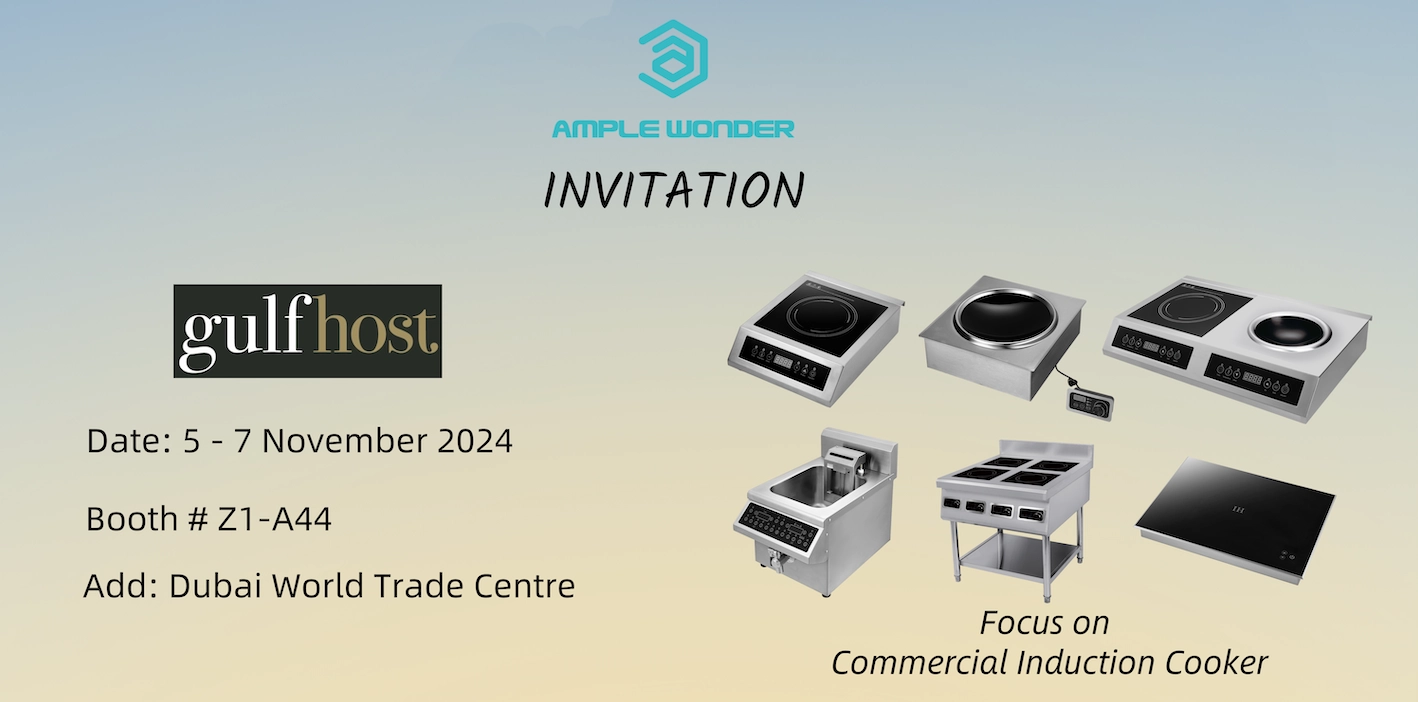
The Gulfhost Fair in Dubai, 5 -7 November, 2024
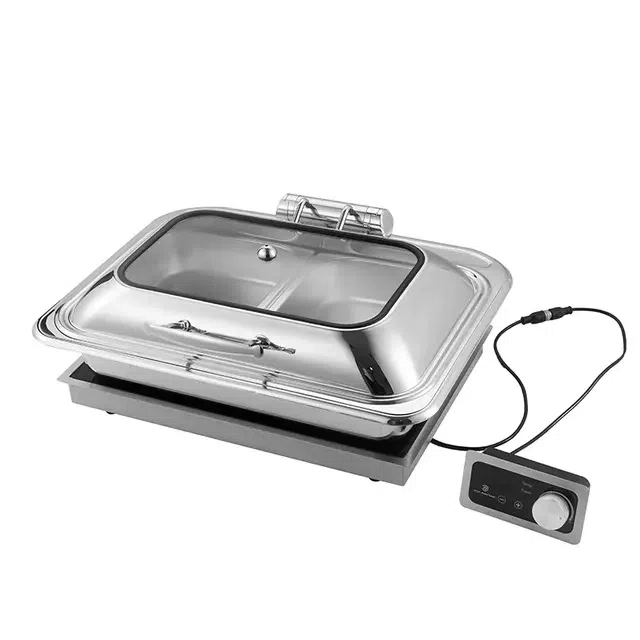
Sustainability And Innovation in The Kitchen: The Role of Commercial Induction Warmers
Any Questions? Get In Touch.
We Can Recommend Suitable Products According To Your Needs.
Any Questions? Get In Touch.
We Can Recommend Suitable Products According To Your Needs.
Get a InquiryMessages
We will contact you within one working day. Please pay attention to your email.
Quick Link
Contact
WhatsApp: 86-13631158918
Skype: steven66668
Address:
703 Room, Block 8, Lingchao Manufacturing Park, No.33 Huafa Road, Huakou Community, Ronggui, Shunde district, Foshan City, Guangdong , China