The Future of Cooking: Why Induction Cooktops are Essential for Commercial Kitchens
Oct 13,2026


The Future of Cooking: Why Induction Cooktops are Essential for Commercial Kitchens
Introduction to Induction Cooking in Commercial Spaces
In the fast-paced world of **commercial kitchens**, the need for efficiency, safety, and sustainability is paramount. As culinary professionals seek to enhance their cooking processes, **induction cooktops** have emerged as a game-changer. These appliances utilize electromagnetic energy to provide precise and rapid heating, offering a range of advantages that traditional cooking methods simply cannot match.
This article delves into the myriad reasons why induction cooktops are becoming essential in commercial kitchens, examining their operational benefits, energy efficiency, safety features, and long-term cost savings.
Table of Contents
1. Understanding Induction Cooking Technology
2. Benefits of Induction Cooktops in Commercial Kitchens
- 2.1 Efficiency and Speed
- 2.2 Safety Features
- 2.3 Energy Consumption and Sustainability
3. Induction vs. Traditional Cooking Methods
- 3.1 Precision Heat Control
- 3.2 Cleanliness and Maintenance
4. Design and Integration in Kitchen Layouts
5. Common Misconceptions About Induction Cooking
6. Investment and Cost Analysis
7. Real-World Examples of Induction Cooktops in Action
8. The Future of Induction Cooking in the Culinary Industry
9. Frequently Asked Questions
10. Conclusion
1. Understanding Induction Cooking Technology
**Induction cooking** utilizes electromagnetic fields to directly heat pots and pans, offering a level of efficiency that is hard to beat. Unlike traditional gas or electric stovetops, where heat radiates from a burner to the cookware, induction cooktops create heat directly within the cookware itself. This is achieved through a process that involves **electromagnetic induction**, which produces heat only when compatible cookware is placed on the surface.
As a result, induction cooktops heat up almost instantly, allowing chefs to respond quickly to cooking demands. **Commercial kitchens**, where time and efficiency are critical, benefit immensely from this technology.
2. Benefits of Induction Cooktops in Commercial Kitchens
Induction cooktops offer a multitude of benefits that cater specifically to the dynamic needs of commercial kitchens.
2.1 Efficiency and Speed
One of the most significant advantages of **induction cooktops** is their efficiency. They can heat up cookware in mere seconds, allowing for rapid cooking of various dishes. This speed translates to increased productivity in busy commercial environments, where large orders and fast service are integral to success.
Chefs can boil water, sauté vegetables, or simmer sauces with remarkable precision, dramatically reducing cooking times and enhancing workflow efficiency.
2.2 Safety Features
Safety is a critical concern in any kitchen, and induction cooktops excel in this area. Since the cooktop surface remains cool to the touch during cooking, the risk of burns is significantly lowered. Additionally, many induction models come equipped with safety features such as automatic shut-off, child locks, and pan detection systems that deactivate the cooktop when there’s no compatible cookware present.
These features not only ensure a safer environment for chefs but also minimize the risk of accidents that can lead to costly liabilities.
2.3 Energy Consumption and Sustainability
In today's environmentally-conscious world, reducing energy consumption is vital. Induction cooktops are notably more energy-efficient than their traditional counterparts. They convert about 90% of the energy produced into heat, compared to gas burners, which only convert around 40% to 60%.
By choosing induction cooking, commercial kitchens can significantly lower their energy bills and reduce their overall carbon footprint. This shift not only benefits the planet but also aligns with the growing consumer preference for sustainable practices.
3. Induction vs. Traditional Cooking Methods
While traditional cooking methods have their merits, the advantages of induction cooking are becoming increasingly apparent.
3.1 Precision Heat Control
Induction cooktops allow chefs to control temperature with unparalleled precision. This level of control is a game-changer for cooking delicate sauces or tempering chocolate, where even slight fluctuations in heat can impact the final dish.
With **induction cooking**, chefs can achieve the desired temperature instantly and maintain it consistently, which is particularly crucial in high-stakes culinary environments.
3.2 Cleanliness and Maintenance
Maintaining cleanliness in a commercial kitchen is essential for both hygiene and efficiency. Induction cooktops feature smooth, flat surfaces that are easy to clean. Since food spills do not burn onto the cooktop like they do on traditional burners, cleanup is quick and hassle-free.
Additionally, the cool cooktop surface means that spills can be wiped away almost immediately, further enhancing operational efficiency during busy service hours.
4. Design and Integration in Kitchen Layouts
Modern **induction cooktops** come in various designs and sizes, making them versatile and easy to integrate into any kitchen layout. Whether it's a compact unit for smaller kitchens or larger systems for extensive culinary operations, induction cooktops can be customized to meet specific needs.
Their sleek appearance also contributes to a modern, professional kitchen environment, appealing to chefs and customers alike.
5. Common Misconceptions About Induction Cooking
Despite their advantages, there are several misconceptions about induction cooking that need to be addressed.
One common myth is that induction cooktops require special cookware. While it’s true that ferromagnetic material is necessary for induction cooking, many types of cookware, including stainless steel and cast iron, are compatible.
Another misconception is that induction cooking is more expensive than traditional cooking methods. While the initial investment may be higher, the long-term savings in energy costs and efficiency make induction cooktops a wise financial choice for commercial kitchens.
6. Investment and Cost Analysis
When considering the switch to induction cooking, it’s crucial to analyze the costs involved. Initially, induction cooktops may seem pricier than their traditional counterparts. However, over time, the return on investment becomes evident.
**Energy savings**, reduced cooking times, and lower maintenance costs all contribute to overall cost efficiency. Moreover, the safety features associated with induction cooking can lead to fewer accidents and liabilities, further enhancing the cost-effectiveness of this technology.
7. Real-World Examples of Induction Cooktops in Action
Numerous commercial kitchens around the world have successfully integrated induction cooktops into their operations. High-end restaurants, catering services, and large food production facilities are harnessing the benefits of this technology to streamline their cooking processes.
For instance, a well-known fine dining establishment reported a 30% reduction in cooking times after transitioning to induction cooking. This efficiency allowed the kitchen staff to handle increased volumes during peak hours without compromising quality.
8. The Future of Induction Cooking in the Culinary Industry
As technology continues to evolve, the future of induction cooking looks bright. Ongoing advancements in induction technology promise even greater efficiency, enhanced features, and improved user experiences.
The culinary industry is gradually recognizing the benefits of induction cooking, leading to increased adoption rates. As sustainability becomes more crucial in food service, induction cooktops will likely play a vital role in shaping the future of cooking.
9. Frequently Asked Questions
1. What types of cookware are compatible with induction cooktops?
Induction cooktops require cookware made from ferromagnetic materials, such as stainless steel, cast iron, and some types of enameled cookware.
2. Are induction cooktops safe for commercial kitchens?
Yes, induction cooktops are considered very safe due to their cool-to-touch surfaces and built-in safety features, such as automatic shut-off and pan detection.
3. Can I use induction cooktops outdoors?
While many induction cooktops are designed for indoor use, there are outdoor models available. Ensure that outdoor units are weather-resistant and suitable for outdoor cooking.
4. How do induction cooktops compare in terms of energy efficiency?
Induction cooktops are significantly more energy-efficient than gas or electric cooktops, converting approximately 90% of the energy used into heat.
5. What are the maintenance requirements for induction cooktops?
Induction cooktops require minimal maintenance. Their smooth surfaces can be easily cleaned with a damp cloth, and there’s no need for scrubbing burnt-on food.
10. Conclusion
Induction cooktops are revolutionizing the culinary landscape, offering commercial kitchens a multitude of benefits that enhance productivity, safety, and sustainability. As the demand for efficient and eco-friendly cooking solutions grows, the shift toward induction cooking will likely accelerate.
Embracing this innovative technology not only positions commercial kitchens at the forefront of modern cooking practices but also ensures they meet the evolving demands of both chefs and consumers. As we look to the future, **induction cooktops** will undoubtedly play an essential role in the kitchens of tomorrow.
NEXT:
Latest News
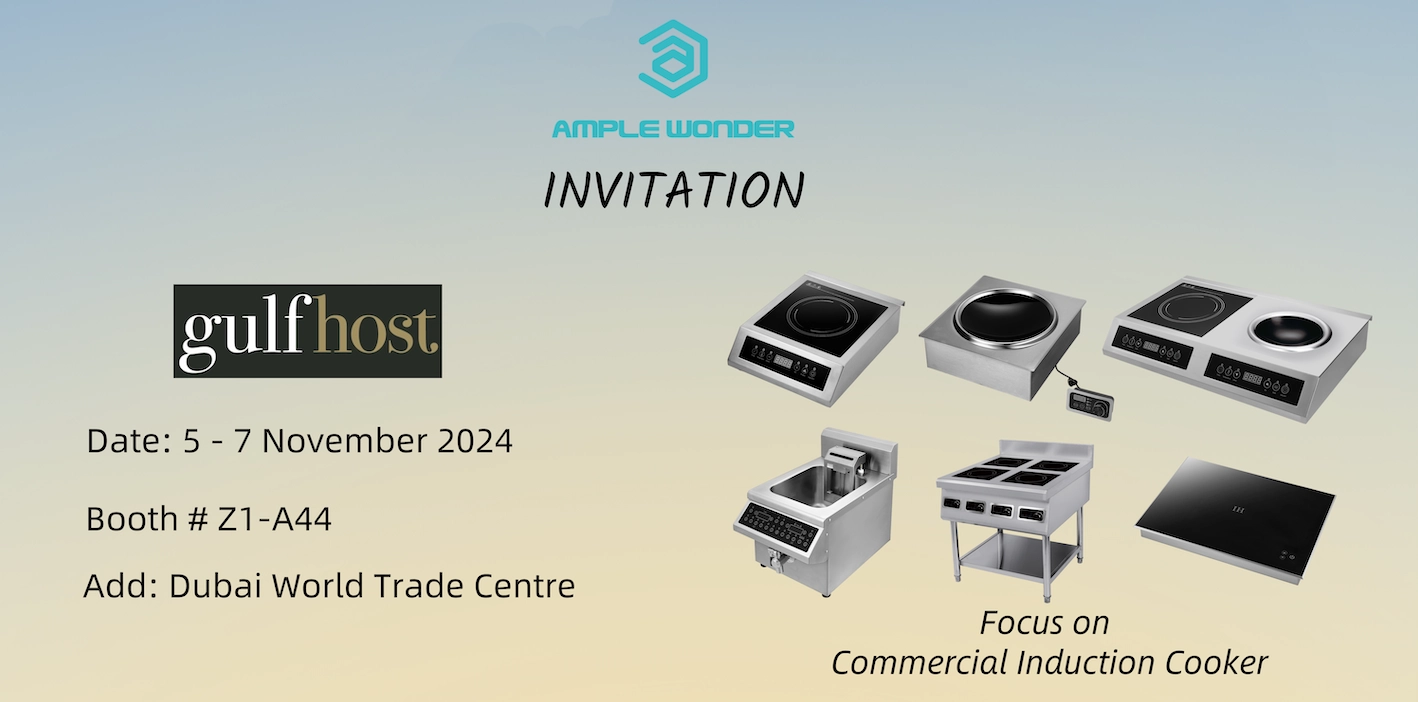
The Gulfhost Fair in Dubai, 5 -7 November, 2024
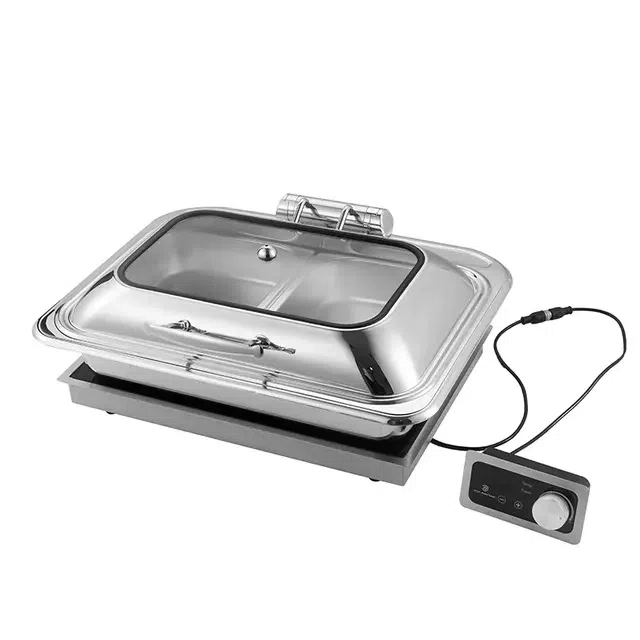
Sustainability And Innovation in The Kitchen: The Role of Commercial Induction Warmers
Any Questions? Get In Touch.
We Can Recommend Suitable Products According To Your Needs.
Any Questions? Get In Touch.
We Can Recommend Suitable Products According To Your Needs.
Get a InquiryMessages
We will contact you within one working day. Please pay attention to your email.
Quick Link
Contact
WhatsApp: 86-13631158918
Skype: steven66668
Address:
703 Room, Block 8, Lingchao Manufacturing Park, No.33 Huafa Road, Huakou Community, Ronggui, Shunde district, Foshan City, Guangdong , China