How Induction Frying Can Enhance Your Menu Offerings
Aug 04,2026


How Induction Frying Can Enhance Your Menu Offerings
Table of Contents
- 1. Introduction to Induction Frying
- 2. What is Induction Frying?
- 3. Benefits of Induction Frying
- 4. Enhancing Your Menu with Induction Frying
- 5. Cost Implications of Induction Frying
- 6. Case Studies: Success with Induction Frying
- 7. FAQs
- 8. Conclusion
1. Introduction to Induction Frying
Induction frying represents a revolutionary advancement in cooking technology, particularly in the realm of **commercial kitchens**. As restaurants and food businesses continually seek innovative ways to improve their offerings, induction frying emerges as a powerful ally. This cooking method utilizes electromagnetic fields to heat pots and pans directly, rather than relying on traditional burners. The result? A more efficient, safer, and versatile cooking experience.
In this article, we will explore how induction frying can dramatically enhance your menu offerings, making it an essential consideration for any culinary professional looking to stay ahead in the competitive food industry.
2. What is Induction Frying?
Induction frying is a cooking technique that employs electromagnetic induction to produce heat directly in the cookware. Unlike conventional frying methods, which rely on an external flame or electric coil to generate heat, induction frying heats the pot or pan itself, allowing for precise temperature control and rapid heating.
The induction cooktop consists of a coil that creates an electromagnetic field when an electric current is passed through it. When a ferromagnetic pot is placed on the cooktop, the magnetic field induces an electric current within the cookware, generating heat. This method of cooking provides several distinct advantages, including quicker cooking times and improved energy efficiency.
3. Benefits of Induction Frying
3.1 Enhanced Food Quality
One of the most significant advantages of induction frying is its ability to produce **high-quality food**. Because induction fryers allow for precise temperature control, chefs can achieve consistent results, reducing the risk of overcooking or undercooking food. This level of control is essential when preparing delicate dishes that require meticulous attention to temperature.
Furthermore, induction frying promotes **healthier cooking**. Since induction cooking can reach high temperatures quickly, chefs can sear food effectively, sealing in flavors and moisture. This leads to dishes that are not only delicious but also retain their nutritional value, appealing to health-conscious diners.
3.2 Energy Efficiency
Energy efficiency is a critical factor in any commercial kitchen operation. Induction frying is inherently more energy-efficient than traditional frying, as it heats only the cookware rather than the surrounding air. This focused energy usage results in reduced energy consumption, which can lead to significant cost savings for your business.
By utilizing induction fryers, restaurants can lower their energy bills while also decreasing their carbon footprint, making this technology a wise choice for environmentally conscious operations.
3.3 Safety Features
Safety is paramount in any kitchen environment, and induction frying offers several features that enhance safety for both staff and patrons. The cooktops remain cool to the touch, reducing the risk of burns and accidents. Additionally, induction fryers often come equipped with automatic shut-off features and pan detection technology, ensuring that the system only operates when suitable cookware is in place.
These safety features can lead to a more efficient kitchen workflow, as staff can focus on cooking without constant concern for the potential hazards associated with traditional frying methods.
3.4 Speed and Efficiency
Time is of the essence in the fast-paced world of food service. Induction frying excels in speed and efficiency, allowing chefs to quickly heat their oil and cook food faster than traditional methods. This rapid heating capability is particularly beneficial during peak hours, where quick service can enhance the customer experience.
Moreover, the efficiency of induction frying means that kitchens can handle larger volumes of food without compromising on quality or safety, leading to increased revenue opportunities for businesses.
4. Enhancing Your Menu with Induction Frying
4.1 Innovative Cooking Techniques
Induction frying opens the door to a variety of innovative cooking techniques that can set your menu apart. From **sous-vide** cooking to precise sautéing, induction technology allows chefs to explore new culinary horizons. The ability to control cooking temperatures with pinpoint accuracy can lead to unique textures and flavors in dishes.
For example, chefs can easily prepare perfectly pan-seared meats that are crispy on the outside and juicy on the inside. The versatility of induction frying also lends itself well to creating sauces and reductions, allowing chefs to craft flavorful accompaniments that complement their dishes.
4.2 Diverse Dish Options
Another significant advantage of induction frying is its ability to accommodate diverse dish options, appealing to a wide range of customer preferences. From frying crispy vegetables and proteins to preparing sauces and sides, induction fryers can handle various cooking tasks with ease.
This versatility allows restaurants to diversify their menu, offering everything from classic fried dishes to healthier options like air-fried vegetables. By incorporating induction frying into your cooking practices, you can respond to evolving consumer trends and demands effectively.
5. Cost Implications of Induction Frying
While the initial investment in induction frying equipment may be higher than traditional fryers, the long-term cost benefits can outweigh the upfront expenses. By reducing energy consumption, increasing cooking efficiency, and minimizing food waste, induction frying can contribute to overall cost savings for your restaurant.
Additionally, the higher quality of food produced through induction frying can lead to increased customer satisfaction and repeat business, further enhancing your revenue potential.
6. Case Studies: Success with Induction Frying
Examining real-world examples of businesses that have successfully incorporated induction frying can provide valuable insights into the benefits of this technology. Many successful restaurants have reported increased efficiency and customer satisfaction after adopting induction fryers.
For instance, a renowned **casual dining chain** implemented induction frying across its kitchens, leading to a 20% reduction in cooking times and a significant decrease in energy costs. The chain also noted that the quality of their fried dishes improved, resulting in rave reviews and boosted sales.
Another successful establishment, a high-end restaurant, utilized induction fryers to create unique, innovative dishes, further enhancing its reputation for culinary excellence. This adaptability allowed the restaurant to attract a broader clientele, demonstrating the potential of induction frying to drive business growth.
7. FAQs
1. What types of cookware are suitable for induction frying?
Induction fryers require ferromagnetic cookware, such as cast iron or stainless steel. Cookware made from aluminum or copper will not work unless it has a magnetic base.
2. Can I use my existing fryers for induction frying?
Existing fryers may not be compatible with induction technology. It is essential to invest in specific induction fryers designed to utilize this cooking method effectively.
3. How does induction frying compare to traditional frying in terms of healthiness?
Induction frying is generally considered healthier, as it allows for higher cooking temperatures without the risk of overheating oil, which can produce harmful compounds. Additionally, it promotes healthier cooking techniques, such as rapid frying that seals in moisture.
4. Are induction fryers expensive to operate?
While the initial cost of induction fryers may be higher, their energy efficiency and reduced cooking times can lead to substantial savings in the long run.
5. Can induction frying be used for a variety of cuisines?
Absolutely! Induction frying is versatile and can be adapted for various cuisines, from classic fried foods to innovative dishes requiring precise temperature control.
8. Conclusion
Induction frying presents a unique opportunity for culinary professionals to enhance their menu offerings while improving operational efficiency and food quality. By harnessing the power of this innovative technology, restaurants can create diverse and high-quality dishes that captivate customers and drive business growth.
Adopting induction frying not only aligns with modern culinary trends but also positions your establishment as a forward-thinking leader in the industry. With the ability to produce perfectly cooked meals, reduce energy costs, and enhance safety, induction frying is a valuable addition to any commercial kitchen. Embracing this technology can transform your culinary operations and elevate your menu to new heights.
Latest News
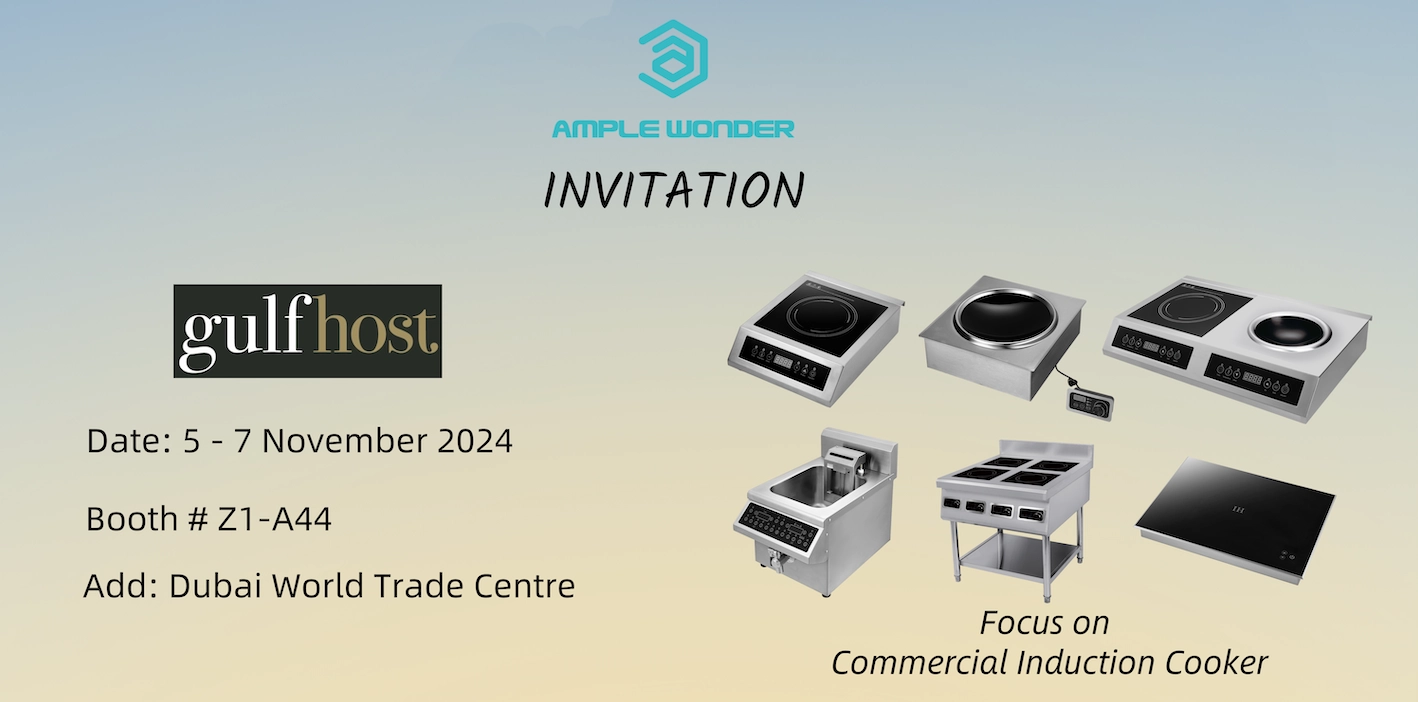
The Gulfhost Fair in Dubai, 5 -7 November, 2024
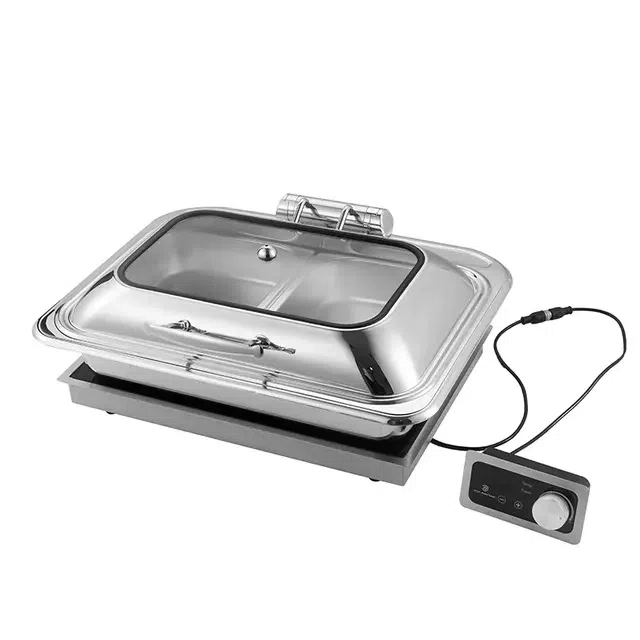
Sustainability And Innovation in The Kitchen: The Role of Commercial Induction Warmers
Any Questions? Get In Touch.
We Can Recommend Suitable Products According To Your Needs.
Any Questions? Get In Touch.
We Can Recommend Suitable Products According To Your Needs.
Get a InquiryMessages
We will contact you within one working day. Please pay attention to your email.
Quick Link
Contact
WhatsApp: 86-13631158918
Skype: steven66668
Address:
703 Room, Block 8, Lingchao Manufacturing Park, No.33 Huafa Road, Huakou Community, Ronggui, Shunde district, Foshan City, Guangdong , China