The Cost Savings of Utilizing Induction Fryers in Your Business
Apr 14,2026


The Cost Savings of Utilizing Induction Fryers in Your Business
Induction fryers have emerged as a game-changer in the culinary world, revolutionizing the way businesses cook and serve food. As energy costs continue to rise and the demand for efficiency increases, understanding the potential cost savings of induction technology has become crucial for business owners in the food industry. This article delves into the various aspects of induction fryers, including how they work, their financial benefits, and why they should be considered in modern kitchens.
Table of Contents
1. Understanding Induction Fryers
2. How Induction Fryers Work
3. The Financial Benefits of Induction Fryers
3.1. Energy Efficiency and Lower Utility Bills
3.2. Reduced Cooking Times and Labor Costs
3.3. Longevity and Maintenance Savings
4. Comparing Induction Fryers to Traditional Fryers
5. Environmental Benefits of Induction Fryers
6. Induction Fryers in Different Business Types
7. FAQs about Induction Fryers
8. Conclusion
1. Understanding Induction Fryers
Induction fryers are a type of cooking appliance that uses electromagnetic energy to heat cooking vessels directly. This innovative technology has gained popularity in commercial kitchens due to its speed, efficiency, and safety features. By understanding the functionality of induction fryers, businesses can truly appreciate their cost-saving potential and operational advantages.
2. How Induction Fryers Work
Induction fryers operate by creating a magnetic field that generates heat directly in the pot or pan. When the cookware is placed on the induction hob, the electromagnetic coils beneath the surface activate, resulting in rapid heating of the cooking vessel without heating the surrounding air. This direct heating method not only enhances cooking efficiency but also minimizes energy waste.
3. The Financial Benefits of Induction Fryers
The transition to induction fryers can lead to substantial cost savings for businesses in the food industry. Below, we explore the key financial benefits associated with this technology.
3.1. Energy Efficiency and Lower Utility Bills
One of the most significant advantages of induction fryers is their energy efficiency. Unlike traditional fryers that waste energy by heating the air around them, induction fryers deliver heat directly to the cooking vessel. As a result, businesses can expect **up to 50% reduction in energy consumption**. This efficiency translates into **lower utility bills**, allowing for significant savings over time.
3.2. Reduced Cooking Times and Labor Costs
Induction fryers heat up quickly, allowing cooks to begin frying almost immediately. This **reduction in cooking time** not only enhances productivity but also leads to **lower labor costs**. With faster cooking cycles, kitchens can serve more customers in less time, optimizing labor resources and enhancing overall efficiency.
3.3. Longevity and Maintenance Savings
Induction fryers are built with durable materials and have fewer moving parts than traditional fryers. This results in **lower maintenance costs** and longer equipment lifespan. Businesses can invest in induction fryers with confidence, knowing they will provide reliable service for years to come.
4. Comparing Induction Fryers to Traditional Fryers
When considering the advantages of induction fryers, it's essential to compare them with traditional frying methods. Traditional fryers often have longer heating times, higher energy consumption, and greater heat loss, leading to increased operational costs. In contrast, induction fryers offer precision temperature control, faster cooking times, and significant energy savings, making them a superior choice for modern kitchens.
5. Environmental Benefits of Induction Fryers
In addition to financial savings, induction fryers contribute positively to the environment. Their energy efficiency reduces the carbon footprint of commercial kitchens, which is increasingly important in a world focused on sustainability. By adopting induction technology, businesses align themselves with eco-friendly practices, appealing to environmentally conscious consumers.
6. Induction Fryers in Different Business Types
Induction fryers are versatile and can benefit a range of business types, including:
- **Restaurants**: High-volume operations can maximize efficiency and minimize energy costs.
- **Catering Services**: Quick setup and portability make induction fryers ideal for catering events.
- **Food Trucks**: Space-saving design and energy efficiency are essential for mobile food vendors.
Regardless of the business type, induction fryers can offer substantial savings and operational benefits.
7. FAQs about Induction Fryers
What are the main advantages of using induction fryers over traditional fryers?
Induction fryers offer energy efficiency, faster cooking times, and lower operational costs compared to traditional fryers, making them a preferred choice for modern kitchens.
How much can a business save by switching to induction fryers?
Businesses can save up to 50% on energy costs, along with reduced labor and maintenance expenses, leading to significant long-term savings.
Are induction fryers safe to use?
Yes, induction fryers have built-in safety features, including automatic shut-off and cool-to-touch surfaces, making them safer than traditional fryers.
Can induction fryers be used with all types of cookware?
Induction fryers require cookware made of magnetic materials, such as cast iron or stainless steel, to function correctly.
What is the lifespan of an induction fryer?
With proper maintenance, induction fryers can last several years, often outperforming traditional fryers in durability and reliability.
8. Conclusion
In conclusion, the cost savings associated with utilizing induction fryers in your business are substantial and multifaceted. By embracing this innovative technology, businesses can enhance efficiency, reduce operational costs, and contribute positively to the environment. Induction fryers represent a forward-thinking investment that not only optimizes culinary operations but also positions businesses for success in an increasingly competitive market. Adopting induction fryers is not just a trend; it is a **strategic decision** that can lead to long-term financial benefits and operational excellence. Consider making the switch today and watch your business thrive!
Latest News
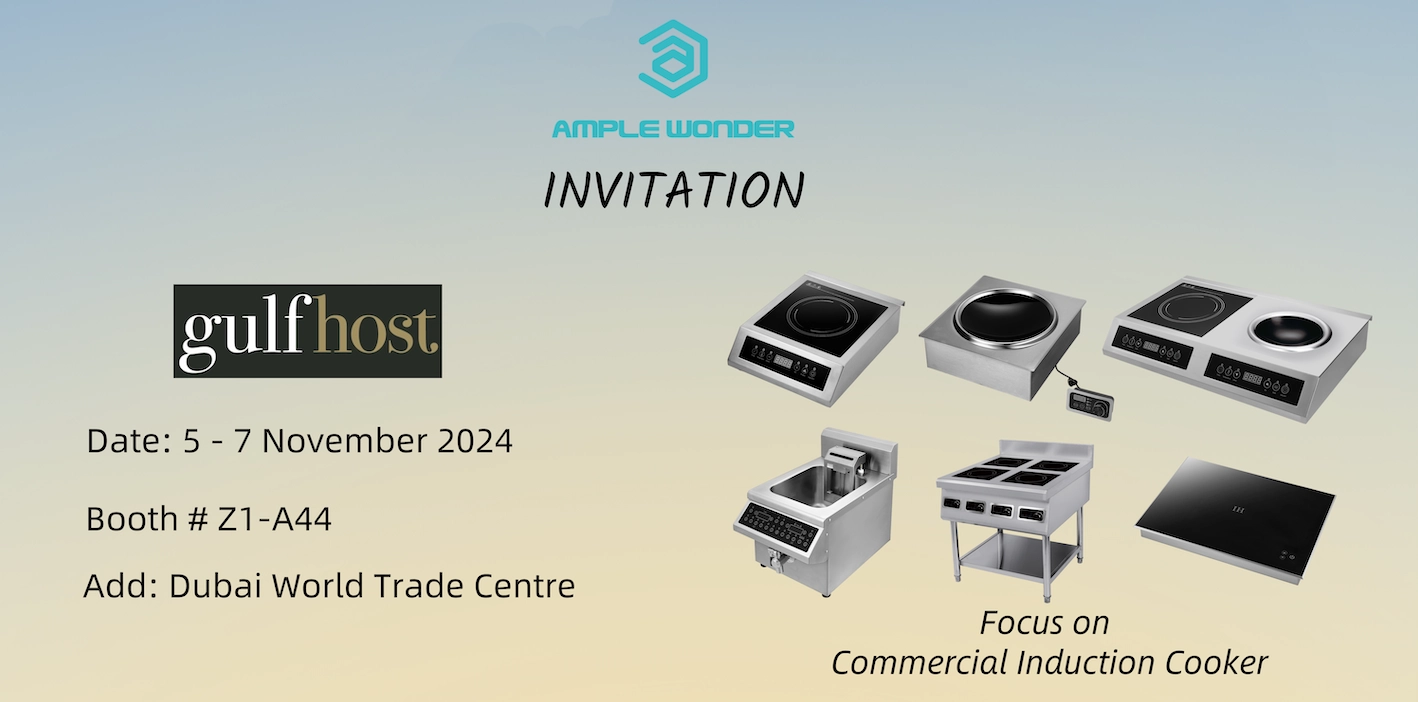
The Gulfhost Fair in Dubai, 5 -7 November, 2024
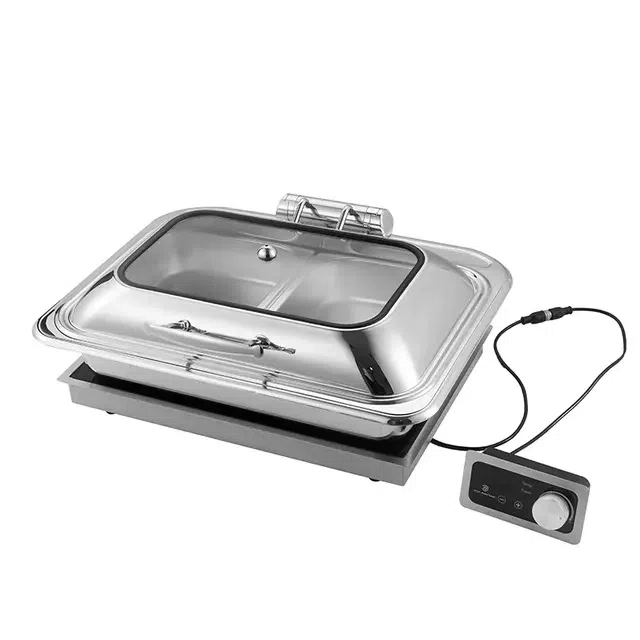
Sustainability And Innovation in The Kitchen: The Role of Commercial Induction Warmers
Any Questions? Get In Touch.
We Can Recommend Suitable Products According To Your Needs.
Any Questions? Get In Touch.
We Can Recommend Suitable Products According To Your Needs.
Get a InquiryMessages
We will contact you within one working day. Please pay attention to your email.
Quick Link
Contact
WhatsApp: 86-13631158918
Skype: steven66668
Address:
703 Room, Block 8, Lingchao Manufacturing Park, No.33 Huafa Road, Huakou Community, Ronggui, Shunde district, Foshan City, Guangdong , China