The Essential Role of Commercial Induction Cookers in High-Volume Cooking
Mar 20,2026


The Essential Role of Commercial Induction Cookers in High-Volume Cooking
Table of Contents
- 1. Introduction to Commercial Induction Cookers
- 2. Benefits of Using Induction Cookers in Commercial Settings
- 3. Efficiency and Speed: Cooking in High Volume
- 4. Safety Features of Commercial Induction Cookers
- 5. Versatility of Induction Cookers in Diverse Culinary Applications
- 6. Cost-Effectiveness and Energy Savings
- 7. Maintenance and Longevity of Induction Cookers
- 8. The Future of High-Volume Cooking with Induction Technology
- 9. Conclusion
- 10. FAQs about Commercial Induction Cookers
1. Introduction to Commercial Induction Cookers
In the fast-paced world of culinary arts, where precision and efficiency dictate success, the adoption of advanced cooking technologies has become essential. **Commercial induction cookers** have emerged as a game-changer in high-volume cooking environments such as restaurants, catering services, and institutional kitchens. These appliances operate by using electromagnetic energy to directly heat pots and pans, allowing for precise temperature control and rapid cooking times. Their innovative design not only enhances cooking performance but also improves safety and energy efficiency.
2. Benefits of Using Induction Cookers in Commercial Settings
The transition from traditional cooking methods to **induction cooking** offers numerous benefits that make it a preferred choice for commercial kitchens. Below are some of the key advantages:
2.1 Enhanced Cooking Precision
One of the standout features of commercial induction cookers is their ability to provide **instant heat adjustments**. Chefs can switch from a simmer to a boil within seconds, allowing for better control over cooking processes and reducing the risk of overcooking ingredients.
2.2 Rapid Heating and Cooking Times
Induction cookers heat cookware directly, which means that they deliver heat more efficiently than traditional gas or electric stoves. This results in **faster cooking times**, which is crucial in a high-volume kitchen where every second counts.
2.3 Energy Efficiency
With rising energy costs, commercial induction cookers stand out for their **energy efficiency**. They consume less energy because they heat only the cookware, rather than the surrounding air. This targeted heating can lead to significant cost savings over time.
3. Efficiency and Speed: Cooking in High Volume
In high-volume cooking environments, efficiency is paramount. Commercial induction cookers excel in this area, allowing kitchens to produce large quantities of food quickly without sacrificing quality.
3.1 Batch Cooking Made Easy
Induction cookers enable chefs to cook in large batches efficiently. With multiple cooking zones, a single induction unit can accommodate several pots and pans simultaneously, making it ideal for preparing soups, sauces, and other bulk items.
3.2 Faster Service Times
In restaurants and catering businesses, speed of service can make or break customer satisfaction. The rapid heating capabilities of induction cookers facilitate quicker meal preparation, allowing kitchens to serve customers promptly and maintain a smooth workflow.
4. Safety Features of Commercial Induction Cookers
Safety in the kitchen is non-negotiable, especially in high-volume settings where the risk of accidents is elevated. Commercial induction cookers come equipped with several safety features designed to protect kitchen staff and customers alike.
4.1 Cool-to-the-Touch Surface
Unlike traditional cooking methods, the surfaces of induction cookers remain cool to the touch, significantly reducing the risk of burns. This feature is particularly beneficial in busy kitchens where multiple staff members are working in close proximity.
4.2 Automatic Shut-off
Most commercial induction cookers are equipped with an **automatic shut-off** feature that activates when a pot is removed from the cooking surface. This safety mechanism not only prevents overheating but also conserves energy when the cooker is not in use.
5. Versatility of Induction Cookers in Diverse Culinary Applications
Commercial induction cookers are not limited to just one type of cooking. Their versatility allows them to be used across a wide range of culinary applications.
5.1 Various Cooking Methods
From sautéing and frying to simmering and boiling, induction cookers can handle a multitude of cooking methods. Chefs can experiment with different techniques and recipes, enhancing their culinary offerings.
5.2 Adaptability in Menu Design
Restaurants with **seasonal menus** or those that frequently change their offerings can benefit from the flexibility of induction cooking. Chefs can easily adjust their cooking methods and equipment to suit the current menu without significant investments in new appliances.
6. Cost-Effectiveness and Energy Savings
Initial investment costs for commercial induction cookers may be higher than traditional stoves; however, their long-term financial benefits make them a smart choice for any high-volume kitchen.
6.1 Reduced Energy Consumption
Induction cookers utilize energy more efficiently, leading to reduced electricity bills. The ability to control energy output according to cooking needs means that kitchens can operate at a lower cost while maintaining high-quality cooking standards.
6.2 Longevity and Durability
Built with high-quality materials, commercial induction cookers are designed for durability. Their robust construction and advanced technology contribute to lower maintenance costs and longer lifespans, making them a wise investment for any commercial kitchen.
7. Maintenance and Longevity of Induction Cookers
Proper maintenance is key to ensuring the longevity of commercial induction cookers. Regular cleaning and adherence to manufacturer guidelines can extend the operational life of these appliances.
7.1 Easy Cleaning Solutions
The smooth, flat surfaces of induction cookers simplify the cleaning process. Unlike gas burners that have crevices for food particles to accumulate, induction cookers can be wiped down easily with a damp cloth, promoting a hygienic kitchen environment.
7.2 Scheduled Maintenance
Implementing a routine maintenance schedule ensures that induction cookers operate at peak efficiency. Regular checks for electrical components and surface integrity help prevent unexpected breakdowns and costly repairs.
8. The Future of High-Volume Cooking with Induction Technology
As the culinary landscape evolves, so does the technology that supports it. The future for commercial induction cookers looks bright, with advancements in technology poised to enhance their functionality further.
8.1 Integration of Smart Technology
Smart induction cookers equipped with connectivity features will allow chefs to control cooking parameters remotely and receive alerts about maintenance needs. This innovation will streamline kitchen operations and improve food quality.
8.2 Innovations in Cooking Techniques
The culinary industry is likely to see new cooking techniques emerge that leverage the advantages of induction cooking. As chefs continue to experiment with this technology, we can expect exciting developments in high-volume cooking.
9. Conclusion
Commercial induction cookers have transformed high-volume cooking by offering unparalleled efficiency, safety, and versatility. Their ability to provide rapid heating, precise temperature control, and energy savings makes them an invaluable asset in any professional kitchen. As the culinary world continues to embrace innovative technologies, induction cookers will undoubtedly play a pivotal role in shaping the future of food preparation in commercial settings.
10. FAQs about Commercial Induction Cookers
1. How do commercial induction cookers work?
Commercial induction cookers utilize electromagnetic energy to directly heat pots and pans, resulting in efficient and precise cooking.
2. Are induction cookers energy-efficient?
Yes, induction cookers are highly energy-efficient as they heat only the cookware rather than the surrounding air, leading to lower energy consumption.
3. What safety features are included in commercial induction cookers?
Common safety features include cool-to-the-touch surfaces, automatic shut-off, and overheat protection, making them safer than traditional cooking methods.
4. Can induction cookers be used for all cooking methods?
Yes, induction cookers are versatile and can be used for various cooking methods, including boiling, frying, sautéing, and simmering.
5. How do I maintain a commercial induction cooker?
Maintenance involves regular cleaning of the cooktop and following manufacturer guidelines for care. Scheduled maintenance checks can ensure longevity and optimal performance.
Latest News
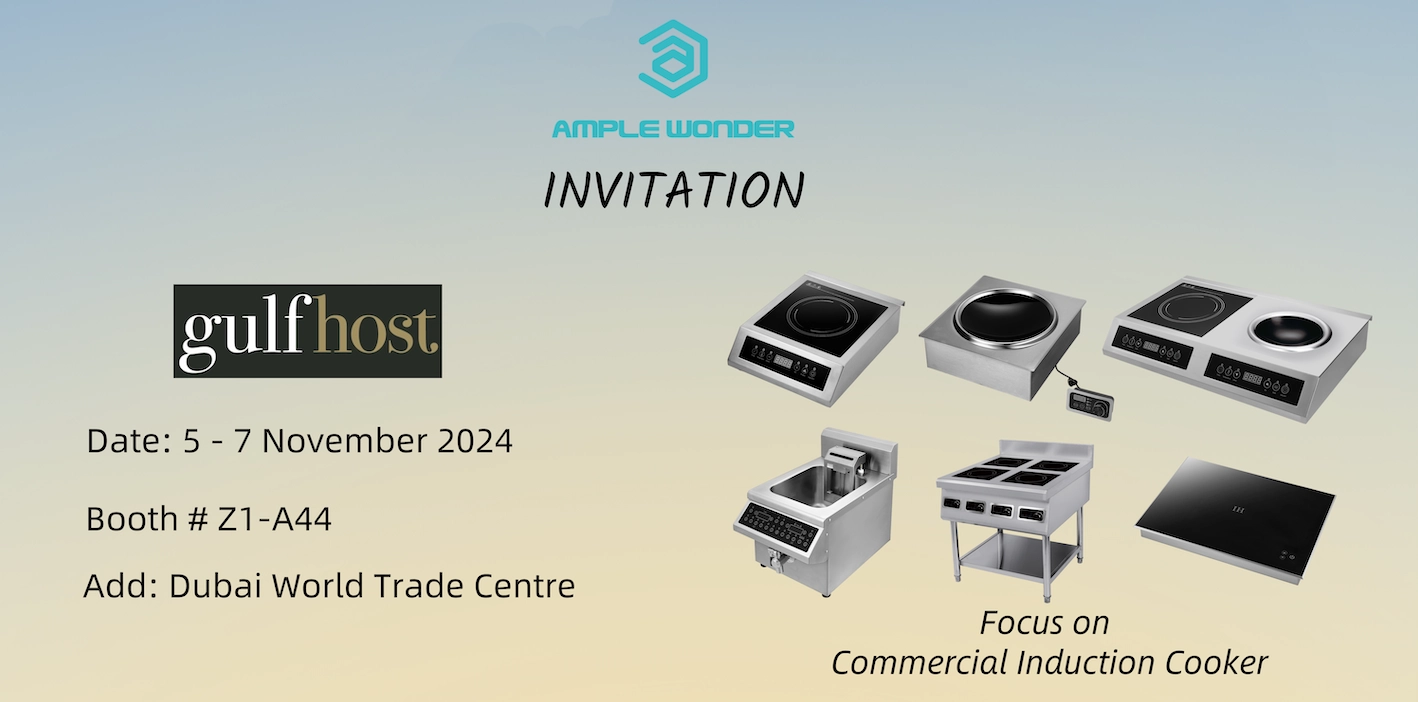
The Gulfhost Fair in Dubai, 5 -7 November, 2024
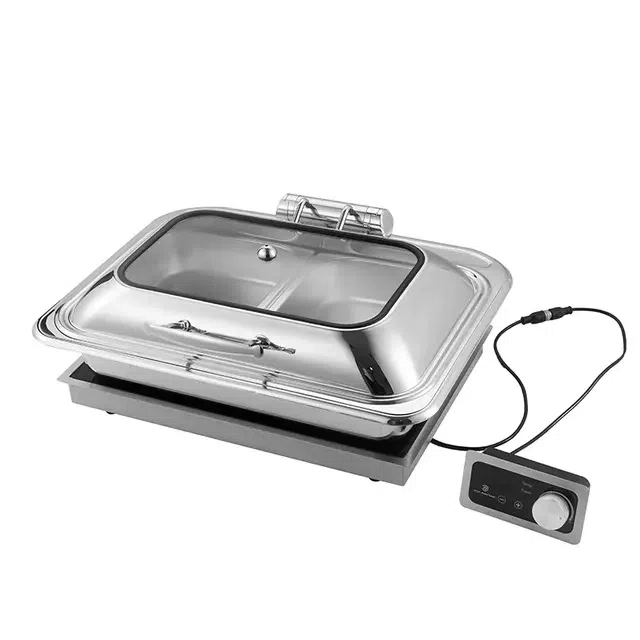
Sustainability And Innovation in The Kitchen: The Role of Commercial Induction Warmers
Any Questions? Get In Touch.
We Can Recommend Suitable Products According To Your Needs.
Any Questions? Get In Touch.
We Can Recommend Suitable Products According To Your Needs.
Get a InquiryMessages
We will contact you within one working day. Please pay attention to your email.
Quick Link
Contact
WhatsApp: 86-13631158918
Skype: steven66668
Address:
703 Room, Block 8, Lingchao Manufacturing Park, No.33 Huafa Road, Huakou Community, Ronggui, Shunde district, Foshan City, Guangdong , China