Understanding Induction Cooking: Benefits for Commercial Use
Mar 08,2026


Understanding Induction Cooking: Benefits for Commercial Use
Induction cooking is rapidly gaining traction in the commercial kitchen landscape due to its efficiency, speed, and safety features. This state-of-the-art cooking method utilizes electromagnetic fields to directly heat pots and pans, offering numerous advantages over traditional cooking methods. In this comprehensive guide, we will explore the benefits of induction cooking for commercial use, including its impact on energy efficiency, cooking speed, safety, and long-term cost savings.
Table of Contents
- What is Induction Cooking?
- How Induction Cooking Works
- Benefits of Induction Cooking in Commercial Kitchens
- Induction Cooking vs. Traditional Cooking Methods
- Choosing the Right Induction Cooktop for Your Commercial Kitchen
- Frequently Asked Questions
- Conclusion
What is Induction Cooking?
Induction cooking is a method that uses magnetic fields to directly heat cookware rather than the cooking surface itself. This innovative technology involves an induction cooktop, which generates an electromagnetic field that activates the cookware, producing heat. This means that only the pot or pan gets hot, providing an efficient and speedy cooking experience.
How Induction Cooking Works
The core principle behind induction cooking lies in the interaction between the cooktop and the cookware. When a compatible pot or pan made of magnetic material is placed on the cooktop, the electromagnetic field generated by the induction coil induces an electric current in the pot. This current generates heat, allowing the food to cook quickly and evenly. Unlike traditional gas or electric stoves, where heat is transferred from the burner to the cookware, induction cooking provides instantaneous heat that can be adjusted with precision.
Benefits of Induction Cooking in Commercial Kitchens
Induction cooking offers several advantages that cater particularly well to the needs of commercial kitchens. Here are some of the most compelling benefits:
Energy Efficiency
Induction cooking is incredibly energy-efficient. Traditional cooking methods often waste a significant amount of energy heating the air or the cooking surface rather than the cookware. In contrast, induction cooktops direct 90% of their energy to the pan, resulting in faster cooking times and reduced energy consumption. This efficiency not only lowers utility bills but also supports sustainability initiatives within the food service industry.
Cooking Speed
Speed is of utmost importance in a commercial kitchen, where time is often money. Induction cooktops can heat up cookware in a fraction of the time it takes traditional gas or electric stoves. This speed translates to quicker meal preparation, allowing chefs to serve customers faster and manage high-volume orders seamlessly. For instance, boiling water on an induction cooktop can take less than half the time compared to conventional methods.
Safety Features
Safety is a top priority in any commercial kitchen. Induction cooking enhances safety in several ways:
- **Reduced Burn Risks**: Since the cooktop itself remains cool to the touch, the risk of burns is greatly diminished.
- **Automatic Shut-off**: Many induction cooktops feature automatic shut-off systems that engage when cookware is removed or left unattended, further reducing hazards.
- **No Open Flames**: The absence of an open flame eliminates the risk of fires, making induction cooking a safer option for busy kitchens.
Precision Cooking
Induction cooking allows for precise temperature control, enabling chefs to achieve consistent results. The instant response to temperature adjustments means that cooks can easily switch from a simmer to a boil without any lag time. This level of control is essential for creating delicate sauces or cooking dishes that require exact temperatures for optimal outcomes.
Cleanliness and Maintenance
Maintaining a clean kitchen is essential in the food service industry. Induction cooktops are easy to clean, as spills do not bake onto the surface due to the cool cooktop. A simple wipe with a damp cloth is often all that is needed to keep the cooktop spotless. This ease of cleaning helps maintain hygiene standards and reduces the time spent on maintenance.
Induction Cooking vs. Traditional Cooking Methods
When comparing induction cooking to traditional methods, several differences become evident.
- **Efficiency**: As mentioned, induction cooking is more energy-efficient than both gas and electric stoves.
- **Speed**: Induction cooking heats cookware much faster than traditional methods, which is crucial in high-demand environments.
- **Safety**: The reduced risk of burns and fires makes induction cooktops a safer choice compared to gas or electric stoves.
- **Temperature Control**: Induction cooktops provide precise temperature control, which is often harder to achieve with traditional cooking methods.
Choosing the Right Induction Cooktop for Your Commercial Kitchen
Selecting the ideal induction cooktop for your commercial kitchen involves several factors:
- **Power Output**: Consider the wattage and cooking performance necessary for your kitchen's operations.
- **Size and Configuration**: Choose a cooktop that fits the space and layout of your kitchen. Options vary from single burners to multi-burner units.
- **Features and Controls**: Look for features like digital displays, timers, and safety locks that enhance usability and efficiency.
- **Durability**: Ensure that the unit is built to withstand the rigors of a commercial kitchen environment.
Frequently Asked Questions
1. Can all cookware be used on induction cooktops?
Not all cookware is compatible with induction cooktops. Cookware must be made of ferrous (magnetic) materials, such as cast iron, stainless steel, or some types of aluminum. To check compatibility, simply hold a magnet to the bottom of the pot or pan—if it sticks, it will work with induction cooking.
2. Are induction cooktops suitable for outdoor cooking?
Induction cooktops can be used outdoors if they are designed for that purpose; however, most commercial-grade units are made for indoor use. Always ensure that your equipment meets safety standards if used in outdoor settings.
3. How does induction cooking affect cooking times compared to gas?
Induction cooking significantly reduces cooking times compared to gas. It can heat pots and pans faster, which is particularly beneficial during peak service hours in restaurants.
4. Is induction cooking energy-efficient?
Yes, induction cooking is one of the most energy-efficient methods available, converting up to 90% of the energy consumed directly into heat for the cookware.
5. What are the maintenance requirements for induction cooktops?
Induction cooktops require minimal maintenance. Regular cleaning with a damp cloth is generally sufficient to keep the surface clean and functional. It is also advisable to avoid using abrasive cleaners that may scratch the surface.
Conclusion
Induction cooking represents a significant advancement in culinary technology, offering numerous benefits for commercial kitchens. From energy efficiency and cooking speed to enhanced safety and ease of cleaning, induction cooktops are transforming how food is prepared in professional settings. As the culinary industry continues to evolve, embracing such innovative technologies is essential for staying competitive. By understanding the advantages of induction cooking, commercial kitchens can improve operations, ensure safety, and provide exceptional dining experiences to customers.
Latest News
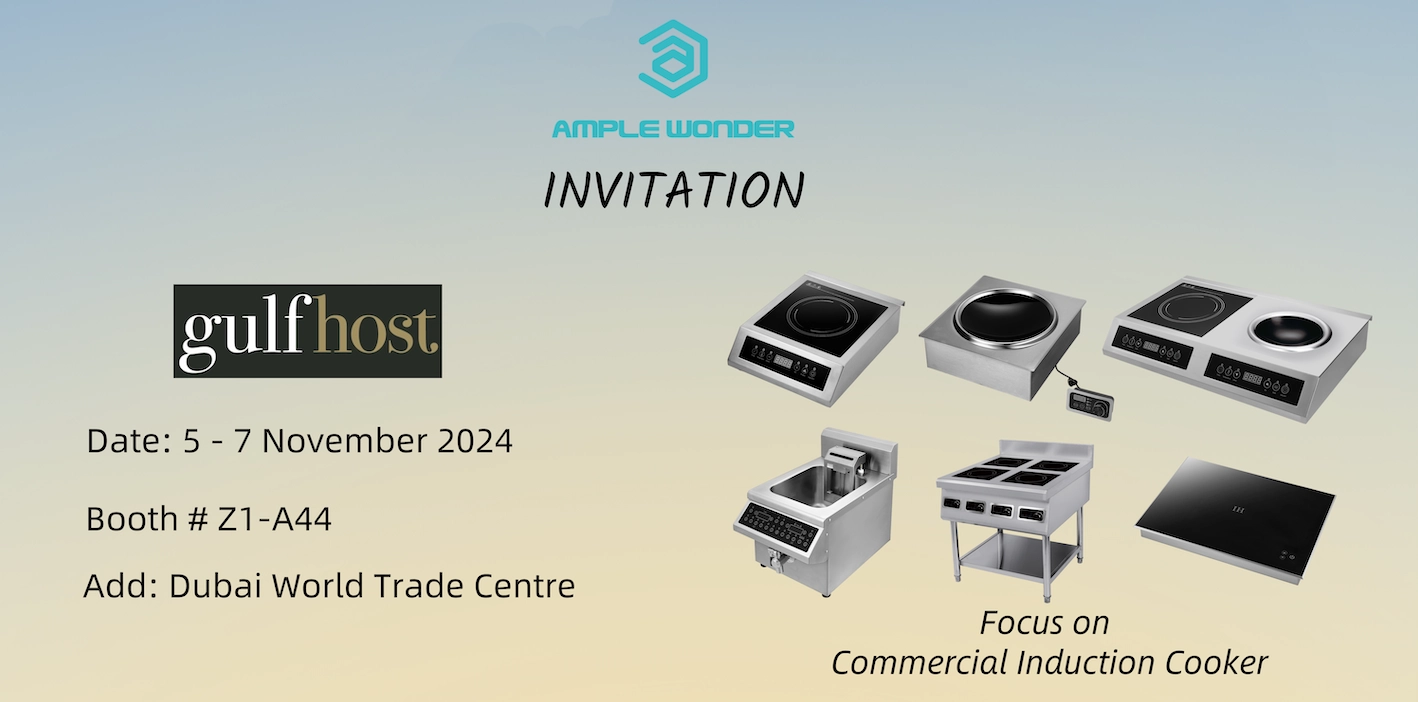
The Gulfhost Fair in Dubai, 5 -7 November, 2024
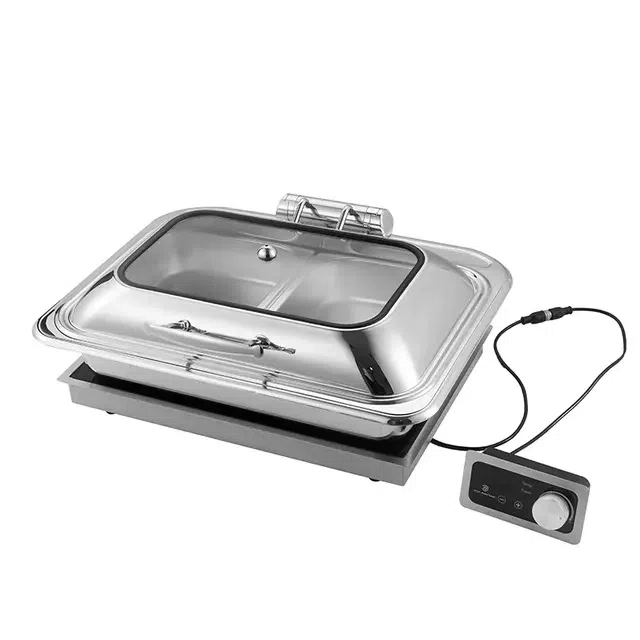
Sustainability And Innovation in The Kitchen: The Role of Commercial Induction Warmers
Any Questions? Get In Touch.
We Can Recommend Suitable Products According To Your Needs.
Any Questions? Get In Touch.
We Can Recommend Suitable Products According To Your Needs.
Get a InquiryMessages
We will contact you within one working day. Please pay attention to your email.
Quick Link
Contact
WhatsApp: 86-13631158918
Skype: steven66668
Address:
703 Room, Block 8, Lingchao Manufacturing Park, No.33 Huafa Road, Huakou Community, Ronggui, Shunde district, Foshan City, Guangdong , China