How to Train Your Staff to Use Induction Fryers Effectively
Mar 04,2026


How to Train Your Staff to Use Induction Fryers Effectively
Table of Contents
- Introduction to Induction Fryers
- Understanding Induction Technology
- Benefits of Induction Fryers in Commercial Kitchens
- Pre-Training Preparation for Staff
- Comprehensive Training Guide
- Demonstration of Induction Fryer Operations
- Hands-On Practice Sessions
- Safety Protocols for Induction Cooking
- Cleaning and Maintenance of Induction Fryers
- Monitoring Progress and Feedback
- Ongoing Education and Skill Enhancement
- Conclusion
- Frequently Asked Questions
Introduction to Induction Fryers
In today's fast-paced culinary environment, efficiency and safety are paramount. **Induction fryers** have emerged as a game-changing technology in commercial kitchens, providing rapid heating, precise temperature control, and significant energy savings. However, to harness the full potential of these advanced appliances, it is crucial to train staff effectively. This article will guide you through a structured training program that empowers your kitchen team to operate induction fryers proficiently and safely.
Understanding Induction Technology
Induction cooking relies on electromagnetic energy, which directly heats pots and pans rather than the cooking surface itself. This technology results in faster cooking times and more precise temperature control, making it an ideal choice for frying. Understanding how induction works is fundamental for your staff, as it lays the groundwork for effective usage and safety.
How Induction Fryers Work
Induction fryers utilize a magnetic field to generate heat in compatible cookware. This means that only the cookware itself gets heated, while the surrounding areas remain cool, reducing the risk of burns and accidents. The speed at which induction fryers can reach desired temperatures can significantly improve kitchen throughput.
Key Features of Induction Fryers
- **Rapid Heating**: Induction fryers heat up faster than traditional fryers, decreasing prep time.
- **Energy Efficiency**: These fryers consume less energy, contributing to lower utility costs.
- **Precision Control**: Staff can easily adjust temperature settings for specific frying needs.
- **Safety Mechanisms**: Many induction fryers come equipped with automatic shut-off functions and safety locks, ensuring a safe cooking environment.
Benefits of Induction Fryers in Commercial Kitchens
Induction fryers not only enhance cooking efficiency but also provide several other advantages that can benefit your kitchen operations.
Improved Safety
The reduced risk of burns and fires makes induction fryers a safer option in busy kitchens. Staff can work with less worry, knowing that the cooking surface remains cool to the touch.
Consistent Cooking Results
Induction fryers provide precise temperature control, which leads to consistent cooking results. This ensures that dishes come out perfectly every time, contributing to customer satisfaction.
Easy to Clean
With the cool surface around the induction cooktop, spills are less likely to cause burns and can be easily wiped away. This reduces cleaning time and promotes a healthier kitchen environment.
Pre-Training Preparation for Staff
Before diving into the training process, it is vital to prepare your staff adequately. This includes familiarizing them with the equipment, cooking techniques, and safety measures.
Assess Current Skill Levels
Understanding your team's current knowledge of frying techniques will help tailor the training program. Conduct a skills assessment to identify areas that may require additional focus.
Gather Necessary Materials
Ensure that all training materials, including operation manuals, safety protocols, and recipe guides, are readily available. Having these resources will support your staff during the training sessions.
Comprehensive Training Guide
A structured training program consists of several key components to ensure your staff becomes proficient in using induction fryers effectively.
Demonstration of Induction Fryer Operations
Begin with a **comprehensive demonstration** of how to operate the induction fryer. Highlight key functions such as turning the fryer on and off, selecting temperature settings, and using timers. Encourage staff to ask questions during this session to clarify any uncertainties.
Hands-On Practice Sessions
Once the demonstration is complete, allow staff to engage in hands-on practice. Supervise them as they operate the fryer, guiding them through the process of frying various foods. This experiential learning will help solidify their skills.
Safety Protocols for Induction Cooking
Safety training is critical. Cover the following key safety protocols:
- Always use induction-compatible cookware to ensure efficient heating.
- Keep the cooking area clean and free from flammable materials.
- Instruct staff on the proper use of personal protective equipment (PPE) when handling hot food and equipment.
- Emphasize the importance of promptly addressing spills to prevent slips and falls.
Cleaning and Maintenance of Induction Fryers
Proper maintenance contributes to the longevity of induction fryers. Train staff on:
- Regular cleaning procedures to keep the fryer in optimal condition.
- Best practices for removing stubborn stains and preventing buildup.
- Regular checks for wear and tear to ensure the equipment remains safe and functional.
Monitoring Progress and Feedback
After the initial training sessions, monitoring staff progress is crucial for continued success. Implement regular check-ins to evaluate their proficiency and address any challenges they may face.
Performance Assessments
Conduct performance assessments that evaluate staff's operational skills, safety compliance, and cooking results. Use these evaluations to provide constructive feedback and identify areas for improvement.
Encouraging Open Communication
Foster an environment where staff feel comfortable discussing their experiences and challenges with induction cooking. This communication can lead to valuable insights that enhance training strategies.
Ongoing Education and Skill Enhancement
Consider induction frying as an evolving skill. Regular workshops and refresher courses will help staff stay updated on best practices and emerging techniques in induction cooking.
Advanced Techniques Training
Offer training on advanced techniques such as sous-vide cooking or specialized frying methods to further enhance staff skills and promote creativity in the kitchen.
Industry Trends and Innovations
Keep staff informed about industry trends and innovations in induction frying technology. This knowledge can inspire them to experiment with new recipes and cooking methods.
Conclusion
Training your staff to use induction fryers effectively is an investment that pays off in efficiency, safety, and culinary excellence. By understanding the technology, implementing comprehensive training programs, and fostering ongoing education, you empower your team to create exceptional dishes consistently. Embrace the benefits of induction fryers in your kitchen and watch your culinary operations flourish.
Frequently Asked Questions
1. What types of cookware are suitable for induction fryers?
Induction fryers require magnetic cookware, such as stainless steel or cast iron, to work effectively. Avoid using aluminum or glass cookware, as they are not induction compatible.
2. How can we ensure the safety of our staff while using induction fryers?
Implement thorough safety training, including proper PPE usage, adherence to safety protocols, and regular equipment maintenance to ensure a safe working environment.
3. Are induction fryers more energy-efficient than traditional fryers?
Yes, induction fryers are generally more energy-efficient due to their rapid heating capabilities and reduced heat loss.
4. How can we clean induction fryers effectively?
Allow the fryer to cool before cleaning. Use mild detergent and a soft cloth or sponge to wipe down the surfaces. Avoid abrasive materials that could scratch the surface.
5. How long does training typically take for staff to become proficient with induction fryers?
Training duration can vary based on staff experience, but a structured program over several sessions, combined with hands-on practice, typically yields proficiency within a few weeks.
Latest News
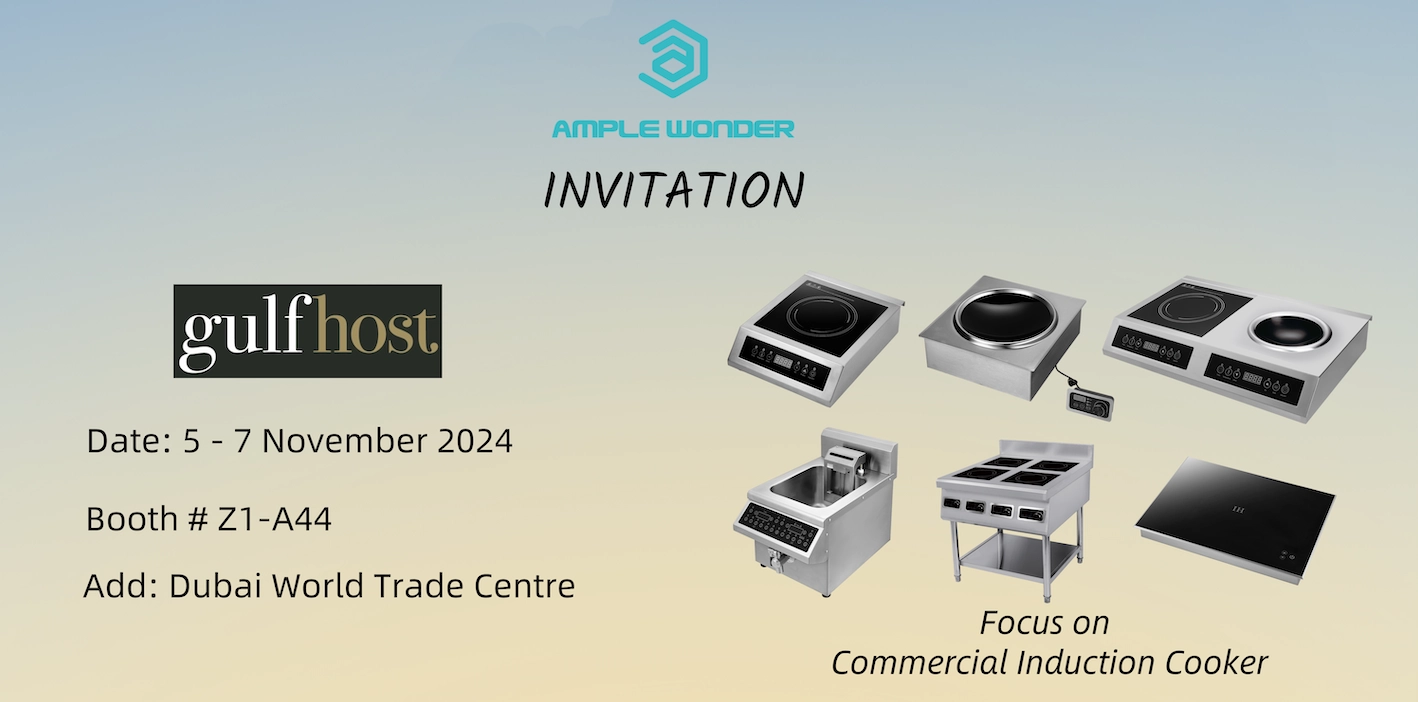
The Gulfhost Fair in Dubai, 5 -7 November, 2024
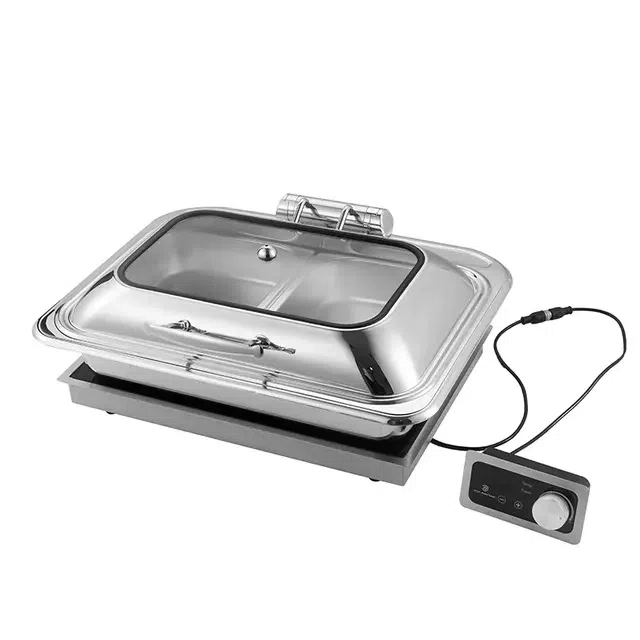
Sustainability And Innovation in The Kitchen: The Role of Commercial Induction Warmers
Any Questions? Get In Touch.
We Can Recommend Suitable Products According To Your Needs.
Any Questions? Get In Touch.
We Can Recommend Suitable Products According To Your Needs.
Get a InquiryMessages
We will contact you within one working day. Please pay attention to your email.
Quick Link
Contact
WhatsApp: 86-13631158918
Skype: steven66668
Address:
703 Room, Block 8, Lingchao Manufacturing Park, No.33 Huafa Road, Huakou Community, Ronggui, Shunde district, Foshan City, Guangdong , China