Maximize Energy Savings with a Commercial Free Standing Induction Cooker: A Comprehensive Guide
Jan 18,2026


Maximize Energy Savings with a Commercial Free Standing Induction Cooker: A Comprehensive Guide
Table of Contents
- Introduction to Induction Cooking
- What is Induction Cooking?
- Understanding the Energy Efficiency of Induction Cookers
- Energy Savings in Commercial Settings
- Operational Costs and Savings with Induction Cookers
- The Environmental Impact of Using Induction Cookers
- Choosing the Right Commercial Free Standing Induction Cooker
- Maintenance and Care for Optimal Performance
- Frequently Asked Questions
- Conclusion
Introduction to Induction Cooking
The culinary world is evolving, especially in commercial kitchens. Among the latest advancements in cooking technology, **induction cooking** has emerged as a game changer. This method uses electromagnetic energy to directly heat pots and pans, leading to faster cooking times and significant energy savings. Traditional cooking methods rely on gas or electric burners, which waste heat and energy during the process. This guide explores the various energy savings achieved with a **commercial free standing induction cooker** and why investing in this technology is crucial for modern kitchens.
What is Induction Cooking?
Induction cooking employs electromagnetic fields to produce heat directly in the cookware. Here’s how it works:
- **Electromagnetic Energy**: Unlike conventional cooking methods that heat the stove surface and then transfer heat to the cookware, induction cookers create an electromagnetic field that directly heats the pot or pan.
- **Cookware Compatibility**: For induction cooking to work, the cookware must be ferrous (magnetic). Stainless steel and cast iron are ideal, while aluminum and glass are not compatible unless they have a magnetic base.
- **Immediate Temperature Control**: Induction cookers provide precise temperature control, allowing chefs to adjust heat levels instantly.
With these features, induction cooking not only provides superior cooking performance but also drastically reduces energy consumption.
Understanding the Energy Efficiency of Induction Cookers
When comparing cooking technologies, **induction cookers** stand out for their energy efficiency. Here’s a breakdown of why they are the preferred choice in commercial settings:
- **Higher Efficiency Rating**: Induction cookers boast an efficiency rating of about 90%, meaning that 90% of the energy consumed is used for cooking. In contrast, gas ranges operate at around 40-55% efficiency, and electric burners range from 70-80%.
- **Rapid Heating**: Induction cookers heat up faster than their traditional counterparts. This rapid heating reduces cooking time, which translates to lower energy consumption over time.
- **Less Heat Loss**: Since the heat is generated directly in the cookware, there is minimal heat loss to the surrounding environment, making it a more efficient option for busy kitchens.
By utilizing induction cooking, commercial kitchens can achieve significant energy savings while maintaining high cooking quality.
Energy Savings in Commercial Settings
In a commercial kitchen, energy costs can be a major expense. Switching to a **commercial free standing induction cooker** can lead to remarkable savings. Here’s how:
- **Reduced Cooking Times**: Induction cookers can boil water in half the time of traditional methods. This efficiency means less energy spent on each cooking task.
- **Lower Ventilation Costs**: Because induction cooking generates less ambient heat, commercial kitchens can save on air conditioning and ventilation costs. This is especially beneficial in hot kitchen environments.
- **Quicker Clean-Up**: Induction cookers are easier to clean due to their smooth surface, which doesn’t accumulate heat like traditional stoves. This can reduce the time staff spends cleaning and thus lower labor costs.
By analyzing these factors, it’s clear that transitioning to induction cooking is not only an environmentally friendly choice but also a financially sound decision.
Operational Costs and Savings with Induction Cookers
Investing in induction cooking technology can lead to lower operational costs. Here’s a detailed look at potential savings:
- **Energy Bill Reduction**: Businesses can see a **20-50% reduction** in energy bills when switching to induction cookers due to their efficiency.
- **Longer Equipment Lifespan**: Induction cooktops typically have a longer lifespan than traditional cooking equipment due to less wear and tear from consistent high heat.
- **Improved Cooking Speed**: Faster cooking translates into increased output, allowing kitchens to serve more customers in less time, amplifying revenue potential.
These operational advantages can significantly enhance the bottom line of any commercial kitchen.
The Environmental Impact of Using Induction Cookers
The environmental benefits of induction cooking go hand in hand with energy savings. Here’s how using a **commercial free standing induction cooker** can positively impact the environment:
- **Lower Carbon Footprint**: By using less energy, induction cookers contribute to lower greenhouse gas emissions when compared to gas and electric stoves.
- **Sustainable Cooking Practices**: As the culinary industry moves toward more sustainable practices, induction cooking technology aligns with these goals by promoting energy efficiency.
- **Cleaner Indoor Air Quality**: The reduced emissions associated with induction cooking result in better air quality within kitchen environments, benefiting both staff and patrons.
Embracing induction technology not only helps businesses save money but also promotes a healthier planet.
Choosing the Right Commercial Free Standing Induction Cooker
When selecting a commercial induction cooker, several factors should be considered:
- **Power Levels and Cooking Zones**: Different models offer varying power levels and cooking zones. Consider the cooking needs of your establishment to choose the right model.
- **Size and Portability**: Depending on kitchen space, select a model that fits comfortably and offers mobility if needed.
- **User-Friendly Controls**: Look for cookers with intuitive controls that simplify operation for staff.
- **Brand Reputation and Warranty**: Investing in reputable brands with strong warranties can provide peace of mind and ensure reliable performance.
By carefully selecting the right equipment, commercial kitchens can maximize energy savings and operational efficiency.
Maintenance and Care for Optimal Performance
Proper maintenance is essential for maximizing the lifespan and efficiency of induction cookers. Here are some maintenance tips:
- **Regular Cleaning**: Clean the cooktop regularly to prevent residue build-up. Use non-abrasive cleaners to keep the surface scratch-free.
- **Check Cookware Compatibility**: Ensure that your cookware is compatible with induction heating. Regularly inspect pots and pans for damage to maintain cooking efficiency.
- **Professional Servicing**: Schedule regular professional maintenance to ensure that the induction system is operating at peak efficiency.
Adhering to these maintenance practices will help keep your induction cooker running smoothly and efficiently.
Frequently Asked Questions
1. How much energy can I save by using a commercial induction cooker?
Induction cookers can save businesses **20-50%** on energy bills compared to traditional gas or electric stoves due to their high efficiency and reduced cooking times.
2. Are induction cookers safe for commercial kitchens?
Yes, induction cookers are safe as they do not produce an open flame and have built-in safety features such as automatic shut-off mechanisms.
3. Can I use any type of cookware with induction cookers?
No, only ferrous (magnetic) cookware is compatible with induction cookers. Stainless steel and cast iron are the best options.
4. Do induction cookers require special electrical setups?
Most commercial induction cookers operate on standard electrical systems, but it’s essential to check the specifications and consult with a professional for installation.
5. How does induction cooking compare to gas and electric cooking in terms of speed?
Induction cooking is significantly faster, often boiling water in half the time compared to traditional methods, which can enhance kitchen productivity.
Conclusion
Investing in a **commercial free standing induction cooker** is not merely a choice; it’s a strategic decision that can lead to substantial energy savings, operational efficiency, and a positive environmental impact. As we’ve explored throughout this guide, the benefits of induction cooking extend beyond just immediate cost savings; they also pave the way for a more sustainable future in the culinary industry. By prioritizing energy-efficient technologies, commercial kitchens can enhance their performance and contribute to a healthier planet. Embrace the evolution of cooking technology and reap the rewards of induction cooking today.
Latest News
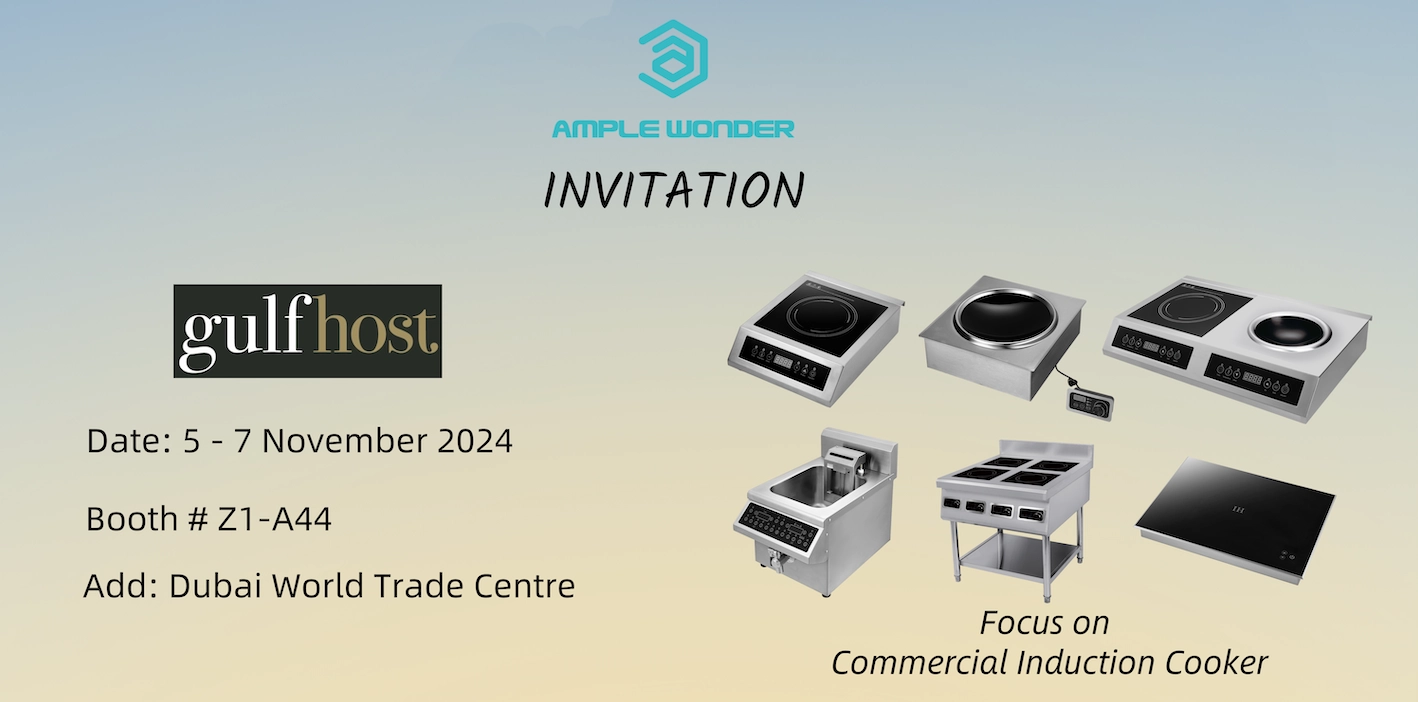
The Gulfhost Fair in Dubai, 5 -7 November, 2024
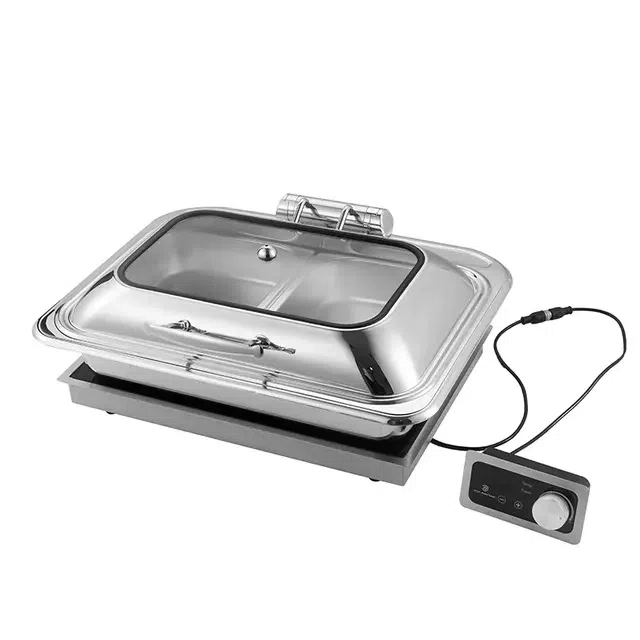
Sustainability And Innovation in The Kitchen: The Role of Commercial Induction Warmers
Any Questions? Get In Touch.
We Can Recommend Suitable Products According To Your Needs.
Any Questions? Get In Touch.
We Can Recommend Suitable Products According To Your Needs.
Get a InquiryMessages
We will contact you within one working day. Please pay attention to your email.
Quick Link
Contact
WhatsApp: 86-13631158918
Skype: steven66668
Address:
703 Room, Block 8, Lingchao Manufacturing Park, No.33 Huafa Road, Huakou Community, Ronggui, Shunde district, Foshan City, Guangdong , China