Comparing Commercial Free Standing Induction Cookers vs. Traditional Cookers: The Ultimate Guide for Culinary Professionals
Jan 12,2026


Comparing Commercial Free Standing Induction Cookers vs. Traditional Cookers: A Comprehensive Guide
Table of Contents
- 1. Introduction
- 2. Understanding Cooking Methods
- 3. What is a Commercial Free Standing Induction Cooker?
- 4. What is a Traditional Cooker?
- 5. Efficiency and Safety Comparison
- 6. Cost-Effectiveness
- 7. Cooking Performance
- 8. Maintenance and Cleaning
- 9. Conclusion
- 10. Frequently Asked Questions
1. Introduction
In the culinary world, the choice of cooking equipment has a profound impact on efficiency, safety, and overall cooking experience. Among the myriad options available, **commercial free standing induction cookers** and **traditional cookers** stand out as two prominent choices. This guide delves deep into the characteristics of each cooker type, enabling culinary professionals to make well-informed decisions tailored to their specific needs.
2. Understanding Cooking Methods
Before diving into the comparison, it is crucial to understand the cooking methods employed by both induction and traditional cookers. Induction cooking utilizes electromagnetism to directly heat cookware, while traditional cookers rely on gas or electrical heating elements to warm the cooking surface.
3. What is a Commercial Free Standing Induction Cooker?
**Commercial free standing induction cookers** are designed for high-performance cooking environments, such as restaurants and catering services. These cookers feature multiple cooking zones and are available in various sizes and configurations to suit diverse kitchen layouts. They are known for their fast heating capabilities, precise temperature control, and energy efficiency, making them an increasingly popular choice amongst culinary professionals.
4. What is a Traditional Cooker?
**Traditional cookers** can be gas, electric, or even dual-fuel setups. These cookers have been the foundation of cooking equipment for many years, providing reliable performance for a wide range of cooking techniques. Traditional cookers often include stovetops, ovens, and grilling options, making them versatile for different culinary applications.
5. Efficiency and Safety Comparison
When assessing cooking equipment, **efficiency** and **safety** are paramount. Here, we compare the two cooker types in these critical areas.
5.1 Energy Efficiency
**Induction cookers** are known for their superior energy efficiency. They convert approximately 90% of their energy into usable heat, meaning less energy is wasted. In contrast, traditional cookers, particularly gas models, may only achieve around 40-60% efficiency. This disparity not only affects utility costs but also contributes to a more sustainable kitchen operation.
5.2 Cooking Safety
Safety is another crucial aspect. Induction cookers have a significant advantage here; they remain cool to the touch and minimize the risk of burns. They also feature automatic shut-off functions and precise temperature controls that reduce the likelihood of cooking mishaps. Traditional cookers, especially gas ones, pose a higher risk due to open flames and the potential for gas leaks.
6. Cost-Effectiveness
The initial investment in a cooking appliance often reflects its long-term value. **Commercial free standing induction cookers** typically have a higher upfront cost compared to traditional cookers. However, the energy savings, reduced cooking time, and lower insurance costs associated with enhanced safety can make induction cookers a more cost-effective choice over time.
It's essential to consider both the purchase price and ongoing operational costs when evaluating the cost-effectiveness of your cooking equipment.
7. Cooking Performance
Cooking performance is arguably the most important factor for any culinary professional. Induction cookers provide instant heat adjustments and uniform cooking temperatures, which enhance food quality and consistency. Traditional cookers, while versatile, often lack the precise control offered by induction technology, leading to variability in cooking results.
8. Maintenance and Cleaning
**Maintenance** and **cleaning** can be a significant concern for any kitchen. Induction cookers feature smooth, flat surfaces that are easy to wipe down, reducing the time spent on cleaning. In contrast, traditional cookers may have grates, burners, and other components that require more intensive cleaning efforts, especially if spills occur.
9. Conclusion
In summary, the choice between **commercial free standing induction cookers** and **traditional cookers** ultimately depends on your specific cooking needs, budget, and preferences. While induction cookers excel in energy efficiency, safety, and cooking performance, traditional cookers offer versatility and familiarity. By carefully considering these factors, culinary professionals can select the best cooking equipment to enhance their kitchen operations.
10. Frequently Asked Questions
1. Are induction cookers more energy-efficient than traditional cookers?
Yes, induction cookers are significantly more energy-efficient, converting about 90% of energy into heat, compared to 40-60% for traditional cookers.
2. Is it safe to use induction cookers around children?
Yes, induction cookers are safer around children as they remain cool to the touch and have automatic shut-off features.
3. Do I need special cookware for induction cooking?
Yes, induction cookers require ferrous (magnetic) cookware, such as cast iron or stainless steel.
4. How do cooking times compare between induction and traditional cookers?
Induction cookers generally heat food faster than traditional cookers due to their direct heating method.
5. What is the lifespan of an induction cooker?
With proper care and maintenance, induction cookers can last between 10 to 15 years.
This comprehensive guide aims to provide you with valuable insights to make an informed decision regarding your cooking equipment, ensuring your kitchen thrives in efficiency and safety.
PREVIOUS:
Latest News
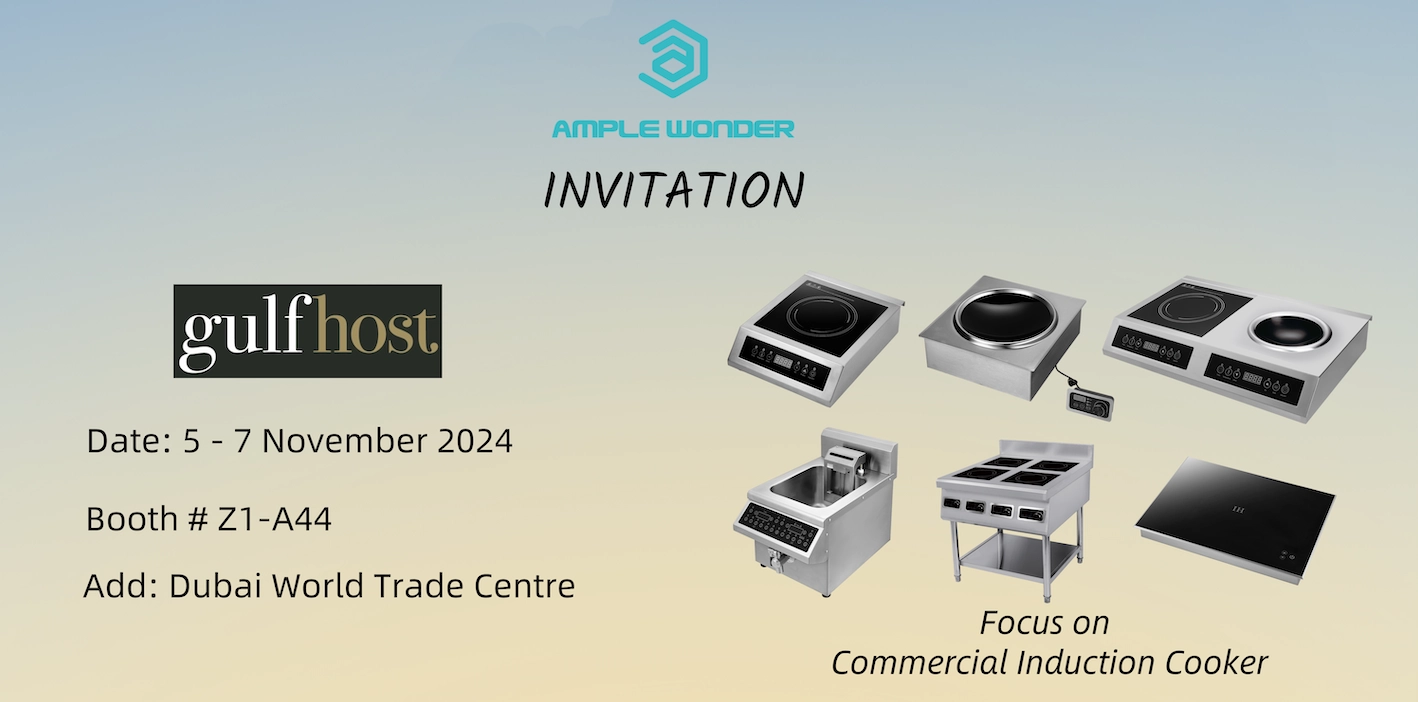
The Gulfhost Fair in Dubai, 5 -7 November, 2024
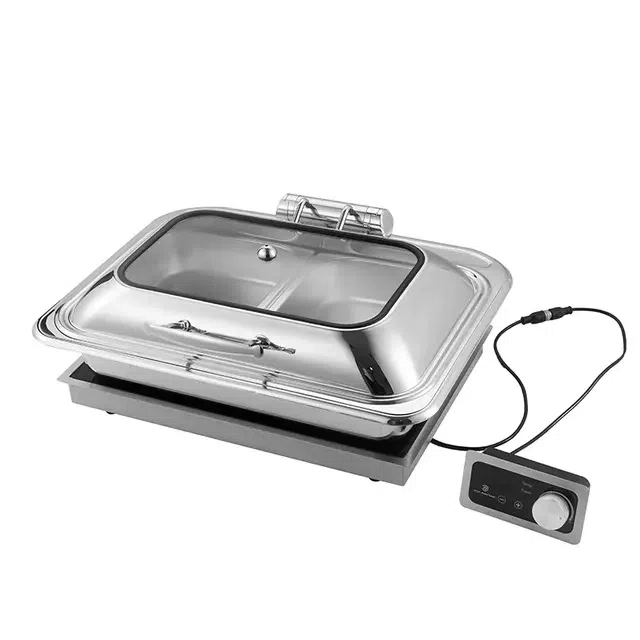
Sustainability And Innovation in The Kitchen: The Role of Commercial Induction Warmers
Any Questions? Get In Touch.
We Can Recommend Suitable Products According To Your Needs.
Any Questions? Get In Touch.
We Can Recommend Suitable Products According To Your Needs.
Get a InquiryMessages
We will contact you within one working day. Please pay attention to your email.
Quick Link
Contact
WhatsApp: 86-13631158918
Skype: steven66668
Address:
703 Room, Block 8, Lingchao Manufacturing Park, No.33 Huafa Road, Huakou Community, Ronggui, Shunde district, Foshan City, Guangdong , China