Understanding the Different Models of Commercial Induction Fryers: A Comprehensive Guide
Jul 05,2026


Understanding the Different Models of Commercial Induction Fryers
Commercial kitchens thrive on efficiency, speed, and precision. Among the various cooking appliances that help achieve these standards, induction fryers stand out for their innovative technology and consistent performance. As the culinary landscape continues to evolve, understanding the different models of commercial induction fryers becomes essential for chefs and kitchen managers alike. This comprehensive guide aims to provide clarity on various models, features, and the best choices for your professional kitchen.
Table of Contents
1. Introduction to Commercial Induction Fryers
2. What is Induction Cooking?
3. Benefits of Using Induction Fryers
4. Types of Commercial Induction Fryers
- 4.1 Countertop Induction Fryers
- 4.2 Floor Model Induction Fryers
- 4.3 Built-in Induction Fryers
5. Key Features to Consider When Choosing an Induction Fryer
6. Energy Efficiency and Sustainability
7. Popular Brands and Models of Induction Fryers
8. Maintenance and Care of Induction Fryers
9. Conclusion
10. FAQs
Introduction to Commercial Induction Fryers
In today’s fast-paced culinary environment, commercial induction fryers have carved a niche for themselves due to their efficiency and speed. These appliances leverage electromagnetic fields to directly heat pots and pans, eliminating the need for traditional heating elements. This not only allows for rapid heating but also enhances temperature control, resulting in better cooking outcomes. By understanding the various models available, chefs can make informed decisions that cater to their specific kitchen requirements.
What is Induction Cooking?
Induction cooking is a revolutionary method that uses electromagnetic energy to generate heat directly in the cooking vessel. Unlike conventional methods that rely on gas flames or electric burners, induction cooktops provide precise heat control and faster cooking times. This technology is especially beneficial in commercial kitchens where time and efficiency are paramount.
The Science Behind Induction Cooking
Induction cookers work through a magnetic field that induces heat in ferrous metal cookware. When a pot is placed on an induction burner, the cooktop sends electrical energy through a coil, generating heat directly in the pot. This mechanism significantly reduces heat loss, making it a highly efficient cooking method.
Benefits of Using Induction Fryers
Induction fryers offer numerous advantages over traditional frying methods. Here are some key benefits:
1. Speed and Efficiency
Induction fryers heat up quickly, significantly reducing cooking time. This efficiency is crucial during peak hours in a commercial kitchen.
2. Precise Temperature Control
Induction fryers allow for precise temperature adjustments, which is vital for frying various foods to perfection.
3. Energy Savings
With induction cooking, energy is used more efficiently, leading to lower utility bills. The targeted heating means less energy waste.
4. Safety Features
Induction fryers generally have safety features such as automatic shut-off and cool-to-touch surfaces, reducing the risk of burns and accidents.
5. Easy Maintenance
The smooth, flat surface of induction fryers makes cleaning easy and straightforward, saving time and effort.
Types of Commercial Induction Fryers
Understanding the different models of commercial induction fryers is essential for making the right purchasing decision. Here, we explore three primary types of induction fryers available on the market:
4.1 Countertop Induction Fryers
Countertop induction fryers are compact, versatile, and ideal for kitchens with limited space. These fryers are typically used for small batch frying and can be easily stored when not in use. They offer quick heating and are perfect for quick-service restaurants and food trucks.
4.2 Floor Model Induction Fryers
Floor model induction fryers are larger units designed for high-volume cooking. These fryers can handle larger batches and are commonly found in busy restaurants and catering operations. They typically feature multiple frying baskets and advanced temperature controls for enhanced cooking versatility.
4.3 Built-in Induction Fryers
Built-in induction fryers are integrated into countertops or kitchen islands, creating a seamless cooking experience. They are designed for permanent installation and are robust enough for demanding commercial kitchen environments. These models often come with advanced features and customizable options.
Key Features to Consider When Choosing an Induction Fryer
When selecting the right commercial induction fryer, it’s essential to consider the following features:
1. Power Output
The power output, measured in watts, directly influences cooking speed and efficiency. Higher wattage typically results in faster heating.
2. Size and Capacity
Evaluate the size and capacity of the fryer based on your kitchen space and cooking volume. Ensure it meets your operational demands without compromising quality.
3. Temperature Control
Look for units with precise temperature controls, allowing for a wide range of frying options and ensuring consistent results.
4. Safety Features
Safety features such as automatic shut-off, overheat protection, and cool-touch surfaces are critical for ensuring kitchen safety.
5. Cleaning and Maintenance
Opt for models with easy-to-clean surfaces and removable components to facilitate maintenance, which is crucial for a busy kitchen environment.
Energy Efficiency and Sustainability
Induction fryers are not just a smart choice for cooking but also contribute positively to sustainability efforts. Their energy efficiency reduces overall power consumption, aligning with eco-friendly practices that many modern kitchens strive for. By investing in induction technology, businesses can lower their carbon footprint while still achieving high cooking standards.
Popular Brands and Models of Induction Fryers
Several brands have established themselves as leaders in the induction fryer market. Here are some popular options:
1. Vulcan
Vulcan is known for its reliable commercial kitchen equipment, offering a range of induction fryers that emphasize durability and performance.
2. Hatco
Hatco specializes in high-quality heating and cooking equipment, including versatile induction fryers designed for efficiency and ease of use.
3. Frymaster
Frymaster, a division of the Welbilt company, provides innovative fryers with advanced technology and user-friendly features.
4. Wells
Wells offers a variety of induction fryers ideal for both small and large kitchen operations, focusing on energy efficiency and safety.
5. Garland
Garland's induction fryers are designed specifically for high-demand environments and come equipped with robust features for optimal cooking.
Maintenance and Care of Induction Fryers
Proper maintenance of commercial induction fryers is vital for their longevity and performance. Here are some essential maintenance tips:
1. Regular Cleaning
Keep the fryer clean by wiping the surface after each use. Remove any food particles or spills to prevent buildup.
2. Inspect Components
Regularly check all components, including the power cord and heating elements, for any signs of wear or damage.
3. Follow Manufacturer Guidelines
Adhere to the manufacturer’s recommendations for maintenance and care to ensure the fryer operates optimally and safely.
Conclusion
Understanding the different models of commercial induction fryers equips chefs and kitchen managers with the knowledge to make informed decisions that enhance kitchen efficiency and cooking quality. With various options available, including countertop, floor model, and built-in induction fryers, each type offers unique benefits tailored to different cooking needs. By considering key features such as power output, temperature control, and safety enhancements, you can choose the right fryer that meets your commercial kitchen's demands. Investing in induction technology not only improves cooking efficiency but also aligns with sustainable practices, making it a win-win for your culinary operation.
FAQs
1. What is the difference between induction fryers and traditional fryers?
Induction fryers use electromagnetic technology to heat pots directly, offering faster heating times and precise temperature control compared to traditional fryers.
2. Are induction fryers energy-efficient?
Yes, induction fryers are highly energy-efficient because they heat only the cooking vessel, reducing heat loss and lowering energy costs.
3. Can any cookware be used with induction fryers?
Only ferrous (magnetic) cookware is compatible with induction fryers. Cookware made of stainless steel or cast iron typically works best.
4. How do I clean my commercial induction fryer?
Wipe the surface with a damp cloth after each use, and follow the manufacturer’s cleaning instructions for thorough maintenance.
5. What safety features should I look for in an induction fryer?
Look for features such as automatic shut-off, cool-touch surfaces, and overheat protection to ensure a safe cooking environment.
NEXT:
Latest News
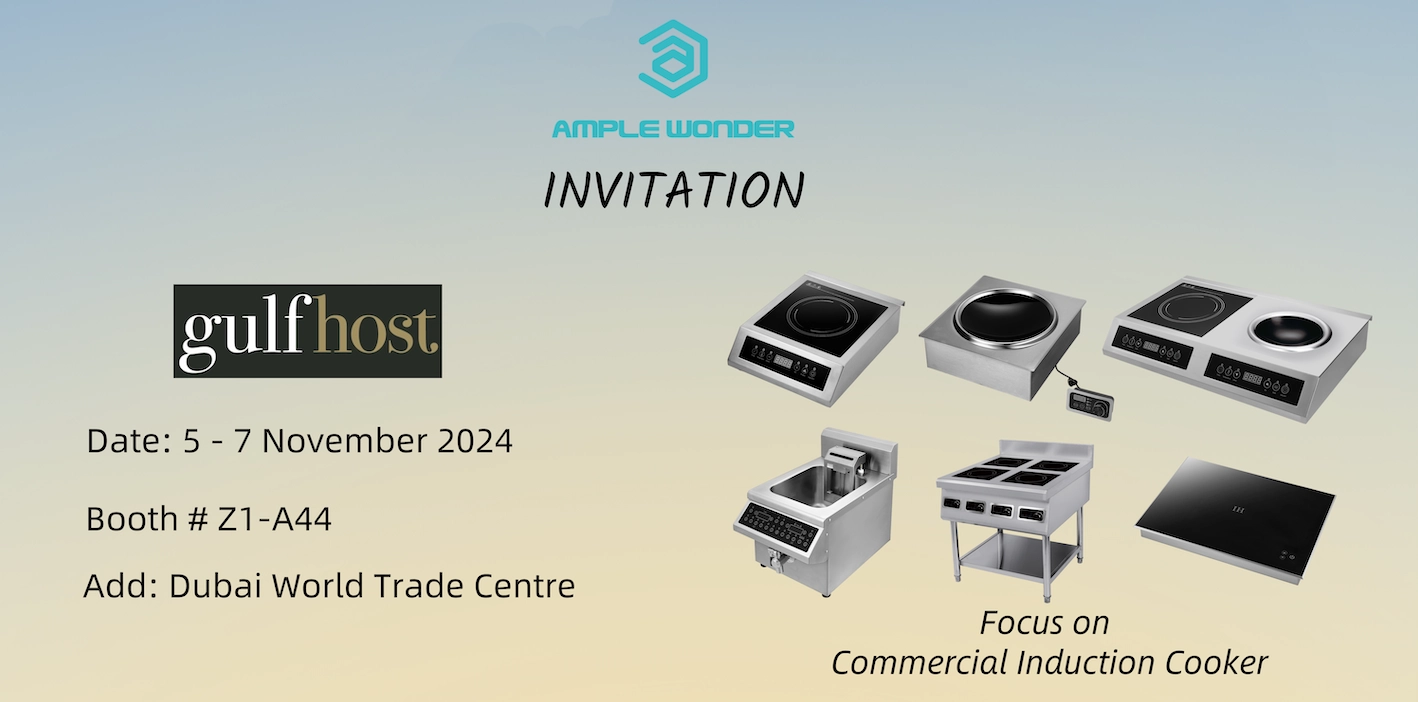
The Gulfhost Fair in Dubai, 5 -7 November, 2024
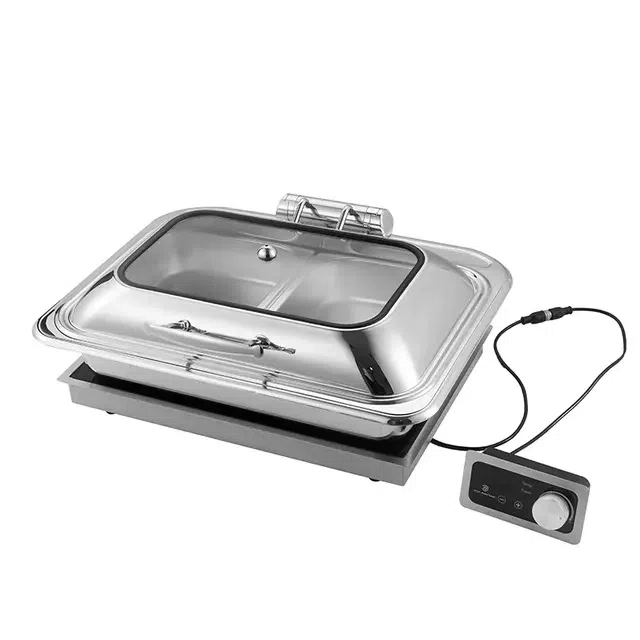
Sustainability And Innovation in The Kitchen: The Role of Commercial Induction Warmers
Any Questions? Get In Touch.
We Can Recommend Suitable Products According To Your Needs.
Any Questions? Get In Touch.
We Can Recommend Suitable Products According To Your Needs.
Get a InquiryMessages
We will contact you within one working day. Please pay attention to your email.
Quick Link
Contact
WhatsApp: 86-13631158918
Skype: steven66668
Address:
703 Room, Block 8, Lingchao Manufacturing Park, No.33 Huafa Road, Huakou Community, Ronggui, Shunde district, Foshan City, Guangdong , China