Exploring Different Types of Commercial Induction Cookers: A Comprehensive Guide
Apr 02,2026


Exploring Different Types of Commercial Induction Cookers
Table of Contents
- 1. Introduction to Commercial Induction Cookers
- 2. Benefits of Using Induction Cookers in Commercial Settings
- 3. Different Types of Commercial Induction Cookers
- 3.1 Countertop Induction Cookers
- 3.2 Built-in Induction Cookers
- 3.3 Freestanding Induction Cookers
- 3.4 Portable Induction Cookers
- 4. Key Features to Consider When Choosing an Induction Cooker
- 5. Maintenance and Care for Induction Cookers
- 6. Comparing Commercial Induction Cookers with Other Cooking Technologies
- 7. Frequently Asked Questions (FAQs)
- 8. Conclusion
1. Introduction to Commercial Induction Cookers
Commercial induction cookers have revolutionized the culinary world, offering an efficient and safe cooking method that stands out in the competitive food service industry. Unlike traditional gas or electric cooking methods, induction cooking uses electromagnetism to directly heat pots and pans, providing rapid heating and precise temperature control. In this comprehensive guide, we will explore different types of commercial induction cookers, their benefits, and features that make them an invaluable asset in professional kitchens.
2. Benefits of Using Induction Cookers in Commercial Settings
The advantages of induction cookers are numerous, especially in a busy commercial kitchen. Here are some key benefits:
2.1 Energy Efficiency
Induction cookers are known for their energy efficiency. They use approximately 90% of the energy produced, whereas traditional gas stoves only utilize about 40-55%. This efficiency not only lowers utility bills but also minimizes heat emissions, providing a more comfortable kitchen environment.
2.2 Speed and Precision
Induction cooking is faster than traditional methods. The instant response to temperature changes allows chefs to achieve precise cooking results, making it ideal for techniques like sautéing, searing, and simmering.
2.3 Enhanced Safety Features
Safety is paramount in any commercial kitchen. Induction cookers reduce the risk of burns and kitchen fires, as they only heat the cookware and not the surrounding surface. This feature is particularly important in high-paced environments where accidents can occur.
2.4 Easy to Clean
With smooth, flat surfaces, induction cookers are easier to clean than traditional stoves with grates and burners. Any spills can be wiped away quickly, resulting in less downtime and a more hygienic workspace.
3. Different Types of Commercial Induction Cookers
When considering induction cookers for commercial use, it’s essential to understand the various types available. Each type caters to different cooking needs and kitchen layouts.
3.1 Countertop Induction Cookers
Countertop induction cookers are versatile and often used in restaurants, catering, and even home kitchens. They are portable and can be easily moved or stored when not in use. These units typically have one to four cooking zones, allowing chefs to prepare multiple dishes simultaneously.
3.2 Built-in Induction Cookers
Built-in induction cookers are integrated directly into kitchen countertops, providing a seamless look and maximizing space. They are ideal for high-volume cooking and can often accommodate larger pots and pans. Built-in units often come with advanced features, such as touch controls and smart technology for more precision.
3.3 Freestanding Induction Cookers
Freestanding induction cookers are stand-alone units that can be placed anywhere in the kitchen. They combine the cooking benefits of induction with the flexibility of mobility. These models are often larger and can include multiple burners, making them suitable for larger kitchens or catering services.
3.4 Portable Induction Cookers
Portable induction cookers are compact and designed for on-the-go cooking. They are perfect for outdoor events, food trucks, and catering services where space is limited. Despite their size, they offer the same efficiency and safety features as larger models.
4. Key Features to Consider When Choosing an Induction Cooker
Selecting the right commercial induction cooker involves evaluating several features that impact functionality, safety, and cooking efficiency.
4.1 Cooking Zones
The number of cooking zones on an induction cooker is critical. Depending on your kitchen needs, choose a model that offers sufficient cooking zones to handle multiple dishes at once.
4.2 Power Levels
Different cooking tasks require different power levels. A good induction cooker should have multiple power settings, allowing chefs to adjust temperatures for various cooking methods easily.
4.3 Safety Features
Look for induction cookers with safety features such as automatic shut-off, child locks, and overheat protection. These features ensure a safer cooking environment, especially in busy kitchens.
4.4 Portability
If flexibility is essential for your operations, consider the portability of the induction cooker. Models that are lightweight and easy to transport can be beneficial for catering services or events.
4.5 Warranty and Support
Investing in commercial kitchen equipment can be significant. Ensure that the induction cooker comes with a warranty and reliable customer support for maintenance and repairs.
5. Maintenance and Care for Induction Cookers
Proper maintenance is vital to prolonging the lifespan of commercial induction cookers. Here are some tips:
5.1 Regular Cleaning
Clean the surface regularly using non-abrasive cleaners. Avoid harsh chemicals that can damage the finish. A simple wipe-down with a damp cloth after cooking can prevent spills from hardening.
5.2 Check for Damage
Inspect the electrical components periodically for any signs of wear or damage. Ensuring that the unit is in good condition is essential for safety and performance.
5.3 Professional Servicing
Schedule professional servicing annually to ensure all components function correctly. This proactive approach helps identify potential issues before they become significant problems.
6. Comparing Commercial Induction Cookers with Other Cooking Technologies
Induction cookers stand out when compared to traditional gas and electric ranges. Here’s how they stack up:
6.1 Induction vs. Gas Cookers
While gas cookers offer instant heat and a traditional cooking experience, they are less energy-efficient and require more ventilation. Induction cookers provide safer cooking conditions and are easier to clean.
6.2 Induction vs. Electric Cookers
Electric cookers can take longer to heat and cool down, whereas induction provides instant heat and precise temperature control. Induction models also tend to consume less energy, making them more cost-effective in the long run.
7. Frequently Asked Questions (FAQs)
7.1 What is the primary advantage of induction cooking?
Induction cooking is highly energy-efficient and offers precise temperature control, making it faster and safer than traditional cooking methods.
7.2 Are induction cookers suitable for all types of cookware?
No, induction cookers require magnetic cookware. Stainless steel and cast iron are typically compatible, while aluminum and glass cookware will not work unless they have a magnetic base.
7.3 How safe are commercial induction cookers?
Commercial induction cookers are considered very safe, as they only heat the cookware and not the surrounding surface. Additionally, many come equipped with safety features like automatic shut-off and child locks.
7.4 Can induction cookers be used outdoors?
Yes, portable induction cookers are ideal for outdoor cooking. However, standard models should be used in a sheltered area to protect them from the elements.
7.5 How do I clean my induction cooker?
Use a soft, damp cloth and non-abrasive cleaner to wipe down the surface after each use. Avoid using steel wool or abrasive sponges to prevent scratches.
8. Conclusion
Commercial induction cookers are a game-changer in the culinary world, offering efficiency, safety, and versatility. By understanding the different types available and the specific features that meet your kitchen needs, you can make an informed decision that will enhance your cooking experience. Whether you choose a countertop model for flexibility or a built-in unit for a seamless design, investing in induction technology is a step towards a more efficient and modern kitchen. As the industry continues to evolve, embracing these innovative appliances can help your business thrive in a competitive market.
Latest News
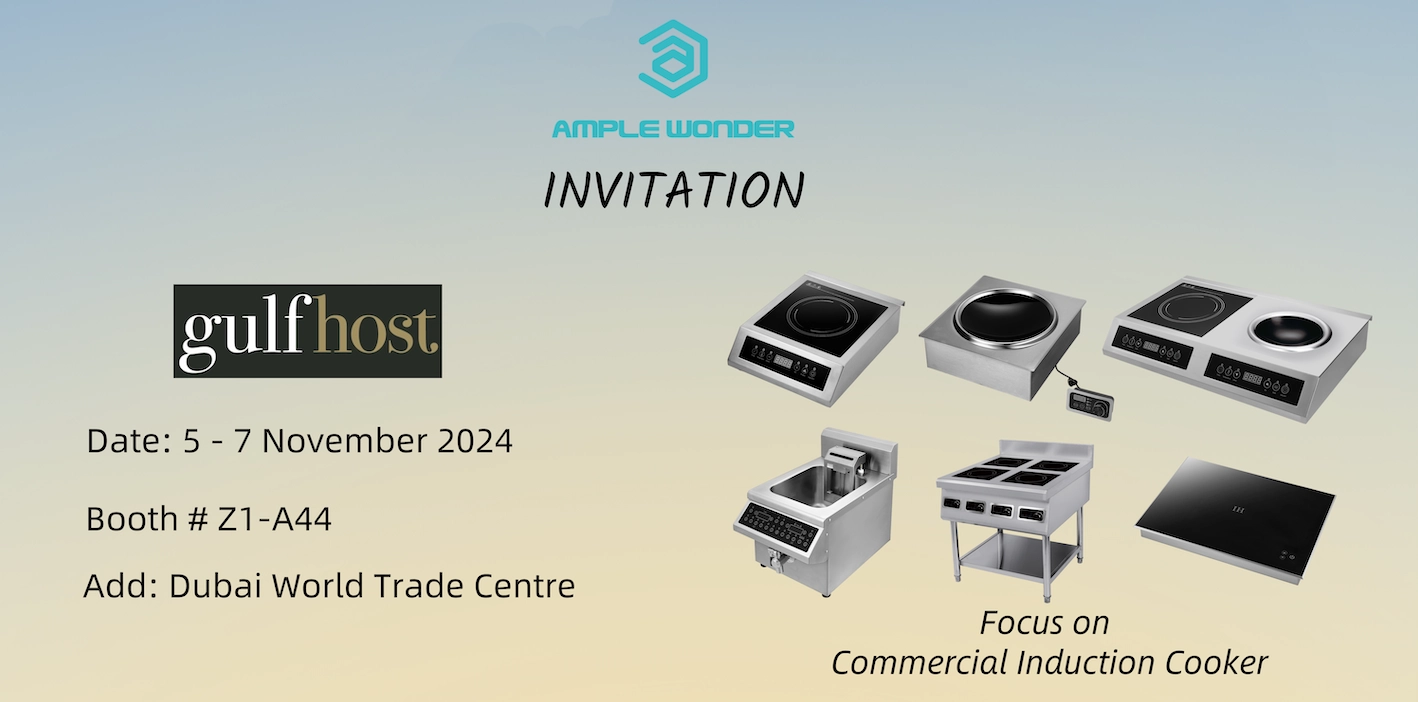
The Gulfhost Fair in Dubai, 5 -7 November, 2024
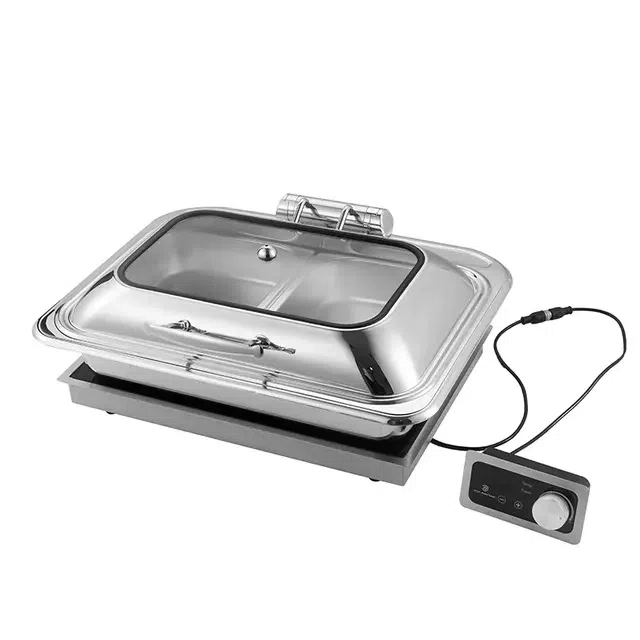
Sustainability And Innovation in The Kitchen: The Role of Commercial Induction Warmers
Any Questions? Get In Touch.
We Can Recommend Suitable Products According To Your Needs.
Any Questions? Get In Touch.
We Can Recommend Suitable Products According To Your Needs.
Get a InquiryMessages
We will contact you within one working day. Please pay attention to your email.
Quick Link
Contact
WhatsApp: 86-13631158918
Skype: steven66668
Address:
703 Room, Block 8, Lingchao Manufacturing Park, No.33 Huafa Road, Huakou Community, Ronggui, Shunde district, Foshan City, Guangdong , China