Exploring the Versatility of Commercial Induction Fryers: A Comprehensive Guide
Feb 20,2026


Exploring the Versatility of Commercial Induction Fryers
Introduction to Commercial Induction Fryers
In the ever-evolving landscape of culinary technology, **commercial induction fryers** have emerged as a game-changer for culinary professionals. These advanced cooking appliances utilize electromagnetic energy to heat cookware directly, leading to quicker cooking times and more precise temperature control. As businesses strive for efficiency and quality, understanding the versatility of induction fryers becomes imperative.
What Is an Induction Fryer?
Induction fryers are specialized kitchen appliances designed to heat oil and cook food through electromagnetic induction. This technology creates a magnetic field that generates heat directly in the frying pan or pot, resulting in faster heating and reduced energy consumption. These fryers offer unique advantages over traditional gas or electric fryers, making them highly sought after in commercial kitchens.
How Induction Fryers Work
Induction fryers operate using a simple yet innovative principle. When an induction-compatible pot is placed on the cooking surface, an electric current flows through the coil beneath the surface, generating a magnetic field. This field induces a current in the pot, causing it to heat up instantly. As a result, food can be cooked more quickly, with greater precision, and with less energy waste.
Key Features of Commercial Induction Fryers
Understanding the features of commercial induction fryers is essential for making an informed purchasing decision. Here are some of the standout features that set these fryers apart:
1. Energy Efficiency
Induction fryers are known for their energy efficiency. They heat up faster than traditional fryers, leading to **lower energy bills** and a reduced carbon footprint. This efficiency not only benefits the environment but also contributes to a restaurant's bottom line.
2. Precision Cooking
With induction technology, chefs can achieve precise temperature control, allowing for consistent cooking results. This feature is crucial for preparing delicate dishes that require specific temperatures to maintain quality and flavor.
3. Safety Features
Many commercial induction fryers come equipped with advanced safety features, such as automatic shut-off, overheat protection, and cool-to-the-touch surfaces. These features make induction fryers safer to operate, significantly reducing the risk of burns or accidents in bustling kitchen environments.
4. Rapid Heating and Recovery Time
Induction fryers provide rapid heating and quick recovery times, allowing chefs to cook multiple dishes simultaneously without compromising on quality. This speed is particularly advantageous during peak service hours.
5. Versatility in Cooking Techniques
These fryers are not limited to frying alone; they can also be used for sautéing, simmering, and even boiling, making them an incredibly versatile addition to any commercial kitchen.
Benefits of Using Commercial Induction Fryers
The benefits of incorporating induction fryers into a commercial kitchen extend beyond the features they offer. Let's delve into the advantages that make them a worthwhile investment.
1. Increased Productivity
With their ability to heat up quickly and maintain consistent temperatures, induction fryers can significantly enhance a kitchen's productivity. Chefs can prepare a larger volume of food in less time, leading to improved service efficiency.
2. Improved Food Quality
Induction cooking allows for better control over cooking temperatures, which can lead to enhanced food quality. Chefs can achieve the perfect crisp on fried items without overcooking or burning, ensuring that dishes are served at their best.
3. Reduced Cooking Odors
Induction fryers produce less heat in the kitchen and emit fewer cooking odors compared to traditional fryers. This aspect contributes to a more pleasant working environment and can reduce the need for extensive ventilation systems.
4. Easy to Clean
The smooth, flat surfaces of induction fryers make them easier to clean compared to conventional fryers. Spills are less likely to burn onto the surface, and the lack of exposed flame means less soot and grime buildup.
5. Cost-Effective Operation
Though the initial investment in a commercial induction fryer may be higher than traditional fryers, the long-term savings in energy efficiency, reduced oil usage, and labor costs make them an economically viable option.
Applications of Commercial Induction Fryers
Commercial induction fryers can be utilized in various culinary applications, showcasing their versatility.
1. Fast-Food Restaurants
Induction fryers are perfect for fast-paced environments, where efficiency and speed are paramount. Their rapid heating capability ensures that orders are fulfilled quickly, enhancing customer satisfaction.
2. Catering Services
For catering businesses that require flexibility and mobility, induction fryers offer a portable solution that can be used in various locations, from outdoor events to banquet halls.
3. Fine Dining Establishments
In fine dining, presentation and taste are crucial. Induction fryers enable chefs to achieve precise cooking results, ensuring that each dish meets high culinary standards.
4. Food Trucks
Food trucks benefit from the compact size and efficiency of induction fryers, allowing them to prepare a diverse menu without taking up excessive kitchen space.
Choosing the Right Commercial Induction Fryer
Selecting the appropriate induction fryer for your kitchen requires consideration of various factors, including size, power, and features.
1. Assessing Kitchen Space
Before purchasing an induction fryer, evaluate the available space in your kitchen. Consider the size and layout to ensure the fryer will fit and meet your cooking needs without overcrowding.
2. Power Requirements
Induction fryers typically require a dedicated power source. Ensure that your kitchen's electrical systems can accommodate the fryer's power needs, which can range from 3 kW to over 10 kW.
3. Cooking Capacity
Choose a fryer that meets your cooking capacity requirements. Consider the volume of food you typically prepare and select a model that can efficiently handle that demand.
4. Features and Controls
Look for features that enhance usability, such as digital controls, programmable settings, and safety features. These elements can improve the overall cooking experience and efficiency.
5. Budget Considerations
Induction fryers come at various price points. Assess your budget while considering the long-term savings in energy and maintenance costs to determine the best value.
FAQs About Commercial Induction Fryers
1. Are induction fryers safe to use?
Yes, induction fryers are designed with safety features, including auto shut-off and cool-to-the-touch surfaces, making them safer than traditional frying methods.
2. Can I use any cookware with induction fryers?
Only induction-compatible cookware, such as magnetic stainless steel or cast iron, will work with induction fryers. Non-magnetic materials, like aluminum, will not heat.
3. How do induction fryers compare to traditional fryers in terms of cooking time?
Induction fryers heat up faster and recover quickly, resulting in shorter cooking times compared to traditional gas or electric fryers.
4. Do induction fryers require special maintenance?
Induction fryers require minimal maintenance, primarily focused on cleaning the cooking surface and ensuring the electrical components are functioning correctly.
5. Can induction fryers be used for multiple cooking techniques?
Yes, induction fryers are versatile appliances that can be used for frying, sautéing, simmering, and boiling, making them suitable for various cooking techniques.
Conclusion
Commercial induction fryers represent a significant advancement in kitchen technology, offering unparalleled versatility, efficiency, and safety. Their ability to enhance productivity, improve food quality, and reduce operational costs makes them an essential tool for any modern kitchen. As culinary professionals continue to seek innovative solutions, the adoption of induction fryers will undoubtedly play a pivotal role in the future of cooking. Embracing this technology not only benefits chefs but also contributes to a sustainable and efficient culinary environment.
Latest News
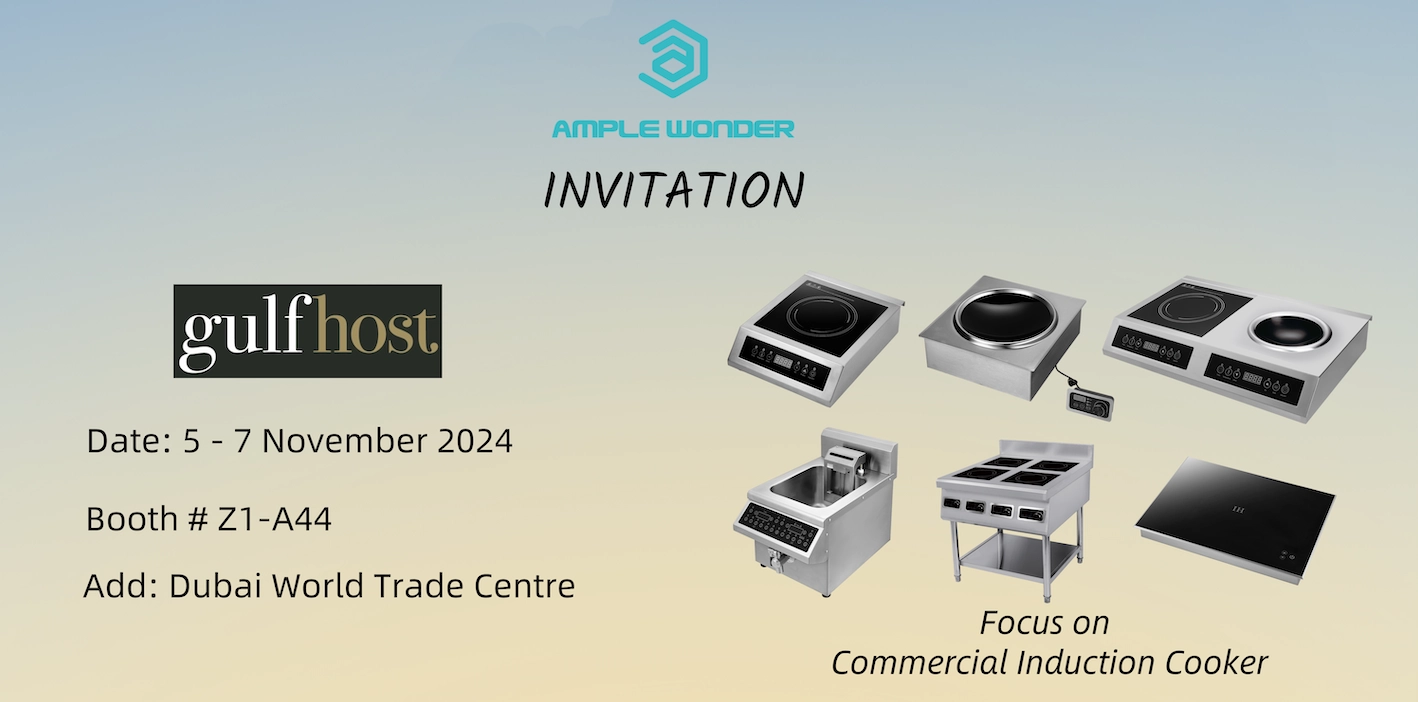
The Gulfhost Fair in Dubai, 5 -7 November, 2024
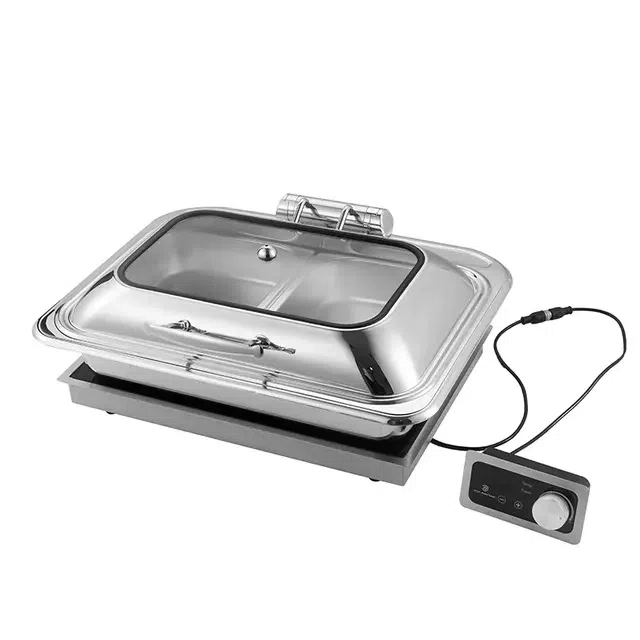
Sustainability And Innovation in The Kitchen: The Role of Commercial Induction Warmers
Any Questions? Get In Touch.
We Can Recommend Suitable Products According To Your Needs.
Any Questions? Get In Touch.
We Can Recommend Suitable Products According To Your Needs.
Get a InquiryMessages
We will contact you within one working day. Please pay attention to your email.
Quick Link
Contact
WhatsApp: 86-13631158918
Skype: steven66668
Address:
703 Room, Block 8, Lingchao Manufacturing Park, No.33 Huafa Road, Huakou Community, Ronggui, Shunde district, Foshan City, Guangdong , China