The Future of Cooking: Innovations in Commercial Induction Cookers
Feb 12,2026


The Future of Cooking: Innovations in Commercial Induction Cookers
Table of Contents
- Introduction to Induction Cookers
- How Induction Cookers Work
- Benefits of Commercial Induction Cookers
- Latest Innovations in Induction Cooking Technology
- Sustainability and Energy Efficiency
- Future Trends in Commercial Kitchens
- Considerations for Choosing Induction Cookers
- Frequently Asked Questions (FAQs)
- Conclusion
Introduction to Induction Cookers
The culinary world is experiencing a profound transformation, largely driven by technological advancements. Among these innovations, **commercial induction cookers** stand out as a game-changer for chefs and culinary professionals. Induction cooking utilizes magnetic fields to generate heat directly within cookware, providing unparalleled speed, control, and efficiency. As the demand for efficient and versatile cooking solutions continues to rise, understanding the innovations in commercial induction cookers is essential for staying ahead in the competitive food service industry.
How Induction Cookers Work
Induction cookers operate on a fundamental principle of electromagnetism. When a ferrous (magnetic) pot or pan is placed on an induction cooktop, an electric current passes through a coil beneath the surface. This creates a magnetic field that induces heat directly in the cookware, rather than heating the cooktop surface. The result is an instant and highly responsive cooking experience that allows chefs to precisely control temperatures, making it ideal for various cooking methods.
Some key features of how induction cookers work include:
Instant Heat
Induction cooking heats up pots and pans almost instantly, significantly reducing cooking times. This is essential in commercial kitchens, where efficiency is paramount.
Precise Temperature Control
With induction cookers, chefs can adjust the heat settings with pinpoint accuracy. This feature is crucial for delicate tasks like simmering sauces or tempering chocolate.
Safety Features
Most commercial induction cookers are equipped with safety features such as automatic shut-off and child locks, reducing the risk of accidents in busy kitchen environments.
Benefits of Commercial Induction Cookers
Investing in commercial induction cookers offers numerous advantages for restaurants and other food service establishments. The following benefits highlight why many kitchens are making the switch.
Energy Efficiency
Induction cookers consume less energy compared to traditional gas or electric cooktops. Since heat is generated directly in the cookware, there’s minimal energy loss, making induction cooking a more sustainable choice.
Faster Cooking Times
The rapid heating capabilities of induction cookers mean that chefs can prepare meals faster, improving kitchen productivity and allowing for a quicker turnaround of orders.
Enhanced Cooking Quality
With precise temperature controls, induction cooking enhances the quality of food by preventing overcooking and ensuring even heat distribution. This results in improved taste and texture for various dishes.
Easy Cleaning
The flat surface of induction cooktops makes cleaning a breeze. Spills and splatters stay on the cooktop rather than being absorbed by the burners, allowing for quick and efficient cleanup.
Latest Innovations in Induction Cooking Technology
The evolution of commercial induction cookers has brought forth several exciting innovations that further enhance their performance and usability.
Smart Technology Integration
Many modern induction cookers incorporate smart technology, allowing chefs to control cooking processes via mobile apps. This feature enables remote monitoring and adjustments, streamlining kitchen operations.
Multi-Zone Cooking
Advanced models now offer multi-zone induction cooking, allowing multiple pots to be placed on a single cooktop while maintaining independent control of each zone's temperature.
Portable Induction Cookers
Portable induction cookers are gaining popularity in commercial settings due to their versatility. These compact units can be easily moved and set up for off-site catering or special events.
Advanced Safety Features
New safety innovations include automatic pan detection and overheat sensors, which ensure that the cooktop only activates when suitable cookware is in place and prevents overheating, respectively.
Sustainability and Energy Efficiency
As the culinary industry shifts towards more sustainable practices, the role of energy-efficient appliances like induction cookers cannot be overstated.
Minimizing Carbon Footprint
By utilizing less energy and reducing cooking times, induction cookers help commercial kitchens lower their carbon footprints. This shift not only benefits the environment but also aligns with consumer preferences for eco-friendly establishments.
Long-Term Cost Savings
Although the initial investment in induction cooking technology may be higher than traditional options, the long-term savings on energy bills and increased efficiency often justify the expense.
Future Trends in Commercial Kitchens
The landscape of commercial kitchens is evolving rapidly, and several trends are emerging regarding the use of induction cookers.
Increased Adoption of Induction Technology
We can expect a growing trend toward the adoption of induction cooking technology, particularly in high-end restaurants and hotels that prioritize both efficiency and quality.
Integration with Sustainable Practices
As sustainability becomes a primary concern for consumers, more commercial kitchens are expected to integrate induction cooking with sustainable sourcing and waste reduction strategies.
Training and Education
As induction cookers become more prevalent, chefs and kitchen staff will require training to maximize their benefits. Educational programs focusing on induction cooking techniques will likely gain popularity.
Considerations for Choosing Induction Cookers
When selecting the best induction cookers for a commercial kitchen, several factors should be considered to ensure optimal performance and satisfaction.
Power and Efficiency Ratings
Evaluate the wattage and efficiency ratings of the induction cookers. Higher wattage often translates to faster cooking times, but efficiency ratings can also indicate energy-saving capabilities.
Size and Configuration
Consider the available space in the kitchen and the required configuration. Induction cookers come in various sizes and styles, including countertop models, built-in units, and portable options.
Brand Reputation and Support
Choose reputable brands that offer reliable customer support and warranty options. This ensures that any issues that arise can be addressed promptly.
Ease of Use and Maintenance
Look for induction cookers that are user-friendly, with intuitive controls and easy-to-clean surfaces. This will help reduce the learning curve for kitchen staff and streamline maintenance.
Frequently Asked Questions (FAQs)
1. What types of cookware are suitable for induction cooking?
Cookware made from ferrous materials, such as cast iron and stainless steel, are suitable for induction cooking. Non-magnetic materials like aluminum and glass will not work unless they have a magnetic base.
2. Are induction cookers safe to use in commercial kitchens?
Yes, induction cookers are generally safe to use. They have built-in safety features such as automatic shut-off and child locks, minimizing the risk of accidents.
3. How do induction cookers compare to gas cookers?
Induction cookers provide faster heating, better energy efficiency, and enhanced safety compared to gas cookers. However, chefs may prefer gas for its traditional feel and visual flame control.
4. Can induction cookers be used for all types of cooking?
Induction cookers are versatile and can be used for most cooking methods, including boiling, sautéing, and simmering. However, they may not be suitable for specific techniques that require an open flame.
5. What is the average lifespan of a commercial induction cooker?
With proper care and maintenance, commercial induction cookers can last 10-15 years, making them a worthwhile investment for any kitchen.
Conclusion
The future of cooking is undeniably tied to advancements in technology, and **commercial induction cookers** are at the forefront of this revolution. With their numerous benefits, including energy efficiency, faster cooking times, and enhanced safety features, induction cookers are poised to reshape the culinary landscape in restaurants and commercial kitchens. As chefs and culinary professionals embrace these innovations, they will not only improve the quality of their dishes but also contribute to a more sustainable future in the food service industry. The continued evolution of induction cooking technology promises exciting possibilities, making it an essential area of focus for anyone looking to stay ahead in the culinary world.
Latest News
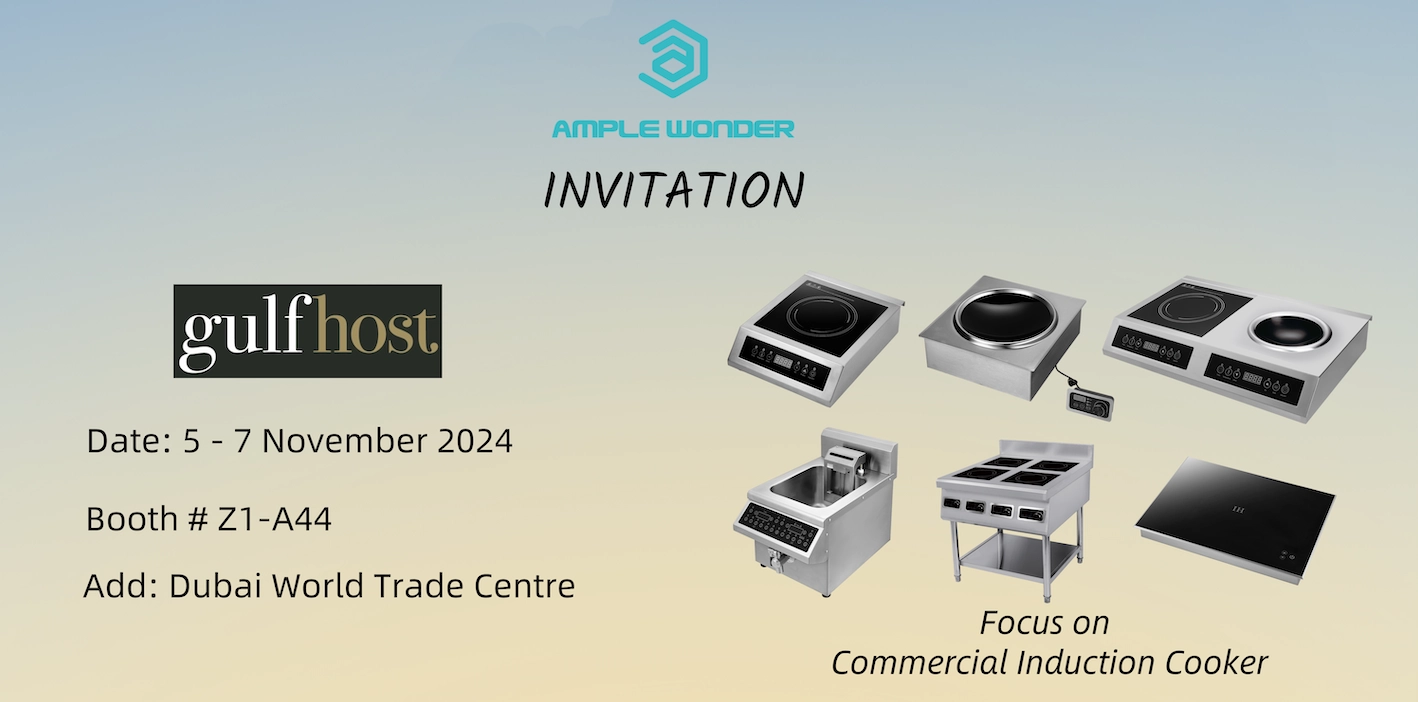
The Gulfhost Fair in Dubai, 5 -7 November, 2024
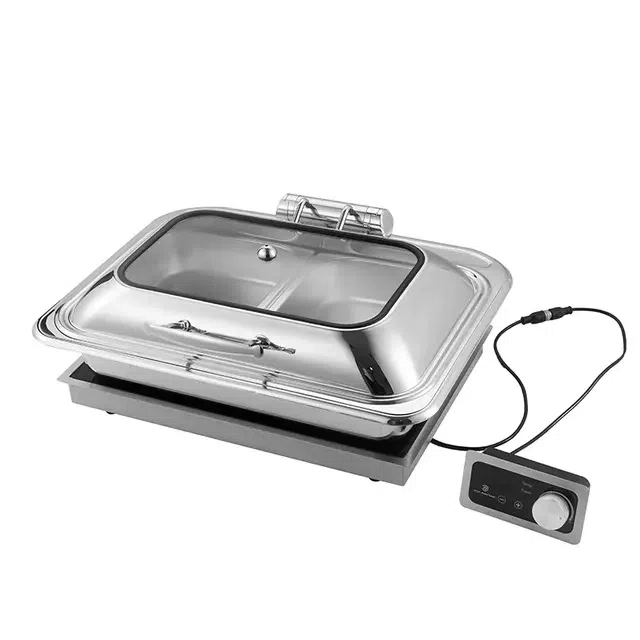
Sustainability And Innovation in The Kitchen: The Role of Commercial Induction Warmers
Any Questions? Get In Touch.
We Can Recommend Suitable Products According To Your Needs.
Any Questions? Get In Touch.
We Can Recommend Suitable Products According To Your Needs.
Get a InquiryMessages
We will contact you within one working day. Please pay attention to your email.
Quick Link
Contact
WhatsApp: 86-13631158918
Skype: steven66668
Address:
703 Room, Block 8, Lingchao Manufacturing Park, No.33 Huafa Road, Huakou Community, Ronggui, Shunde district, Foshan City, Guangdong , China