Why Induction Fryers are a Must-Have for Fast-Paced Restaurants
Feb 08,2026


Why Induction Fryers are a Must-Have for Fast-Paced Restaurants
In the competitive landscape of the food industry, fast-paced restaurants must prioritize efficiency, quality, and safety. One of the most significant advancements in kitchen technology is the induction fryer. This article delves into the compelling reasons why induction fryers have become essential equipment for modern restaurants. From enhancing cooking speed to improving energy efficiency, induction fryers are transforming the way culinary professionals operate.
The Evolution of Frying Technology in Commercial Kitchens
Over the years, frying technology has evolved significantly, transitioning from traditional deep fryers to more innovative solutions. The introduction of induction fryers brings a new level of sophistication to kitchen operations. Unlike conventional fryers, which rely on gas or electric coils, induction fryers utilize electromagnetic fields to heat cookware directly. This advancement not only speeds up cooking times but also enhances precision and control.
Benefits of Induction Fryers
1. Speed and Efficiency
Induction fryers heat up quickly, allowing chefs to cook food faster than traditional methods. This rapid heating capability is crucial in fast-paced environments where time is of the essence. With induction technology, restaurants can significantly reduce wait times, leading to increased customer satisfaction and higher turnover rates.
2. Energy Savings
One of the most compelling advantages of induction fryers is their energy efficiency. By directly heating the cookware, induction fryers minimize heat loss, resulting in lower energy consumption. Restaurants that prioritize sustainability can benefit from reduced utility bills while also contributing to a greener environment.
3. Enhanced Food Quality
Induction frying allows for precise temperature control, which is essential for achieving the desired texture and flavor in fried foods. Chefs can maintain consistent cooking temperatures, preventing overcooking or burning. This precision helps to preserve the food's natural flavors and nutrients, ultimately enhancing the dining experience.
4. Safety Features
Safety is paramount in any restaurant kitchen. Induction fryers are equipped with various safety features, such as automatic shut-off mechanisms and cool-to-the-touch surfaces, reducing the risk of burns and accidents. With induction frying, chefs can focus on their craft without the constant worry of safety hazards associated with traditional fryers.
5. Easy Cleaning and Maintenance
Cleaning induction fryers is straightforward due to their smooth surfaces and fewer parts. Unlike traditional fryers that accumulate grease and grime, induction fryers can be wiped clean easily, saving time and effort in kitchen maintenance. This convenience allows staff to maintain high hygiene standards effortlessly.
How Induction Fryers Work
Understanding Induction Technology
Induction fryers operate using electromagnetic fields to generate heat directly within the cookware. When a pot or pan made of ferrous metal is placed on the induction burner, the magnetic field produces an electric current that generates heat. This process is highly efficient, allowing for rapid cooking without wasting energy.
The Role of Cookware in Induction Frying
To utilize induction fryers effectively, restaurants must invest in compatible cookware. Induction-ready pots and pans are typically made from stainless steel, cast iron, or other ferrous materials. The choice of cookware significantly impacts the performance and efficiency of the frying process.
Choosing the Right Induction Fryer for Your Restaurant
Evaluating Your Kitchen's Needs
Before investing in an induction fryer, it is essential to evaluate your kitchen's specific needs. Consider factors such as the volume of food prepared, the range of dishes offered, and the available kitchen space. By understanding these requirements, restaurant owners can select the most suitable induction fryer model for their operations.
Key Features to Look For
When selecting an induction fryer, look for essential features that enhance functionality:
- **Temperature Control:** Ensure the fryer offers precise temperature settings for various frying techniques.
- **Capacity:** Choose a fryer with adequate cooking capacity to meet peak demand without compromising speed.
- **Safety Features:** Look for automatic shut-off, overheat protection, and cool-touch exteriors.
- **Ease of Use:** Select a model with intuitive controls and clear displays for seamless operation.
Induction Fryers vs. Traditional Fryers: A Comparative Analysis
1. Cost Efficiency
While the initial investment in induction fryers may be higher than traditional fryers, the long-term savings in energy costs and reduced cooking times often offset the upfront expense. Restaurants can anticipate a quicker return on their investment by increasing productivity.
2. Cooking Quality
Induction fryers consistently outperform traditional fryers in terms of cooking quality. The ability to maintain precise temperatures leads to superior food quality, making induction fryers the preferred choice for chefs dedicated to culinary excellence.
3. Safety and Cleanliness
Induction fryers shine in terms of safety and cleanliness. The reduced risk of burns and hazards associated with oil can lead to safer kitchen environments. Additionally, the easy-clean surfaces of induction fryers promote better hygiene practices.
Implementing Induction Fryers in Your Kitchen
1. Training Staff
To maximize the benefits of induction frying technology, it's essential to train kitchen staff on its operation. Proper training ensures that all team members understand how to use the equipment effectively and safely, leading to a smoother workflow.
2. Transitioning from Traditional Frying Methods
Transitioning from traditional fryers to induction fryers may require adjustments in cooking techniques and recipes. Restaurants should take the time to test and refine their frying methods to fully harness the capabilities of their new equipment.
3. Monitoring and Adjusting Operations
Once induction fryers are implemented, it's important to monitor their performance closely. Restaurants should assess cooking times, energy consumption, and food quality regularly to make necessary adjustments and improvements.
Frequently Asked Questions (FAQs)
1. What are induction fryers?
Induction fryers are cooking appliances that use electromagnetic technology to heat cookware directly, allowing for rapid and controlled frying.
2. Are induction fryers safe to use?
Yes, induction fryers are designed with safety features, including cool-to-the-touch surfaces and automatic shut-off mechanisms, making them safer than traditional fryers.
3. Can I use my existing cookware with induction fryers?
Only ferrous metal cookware, such as stainless steel and cast iron, is compatible with induction fryers. Non-metal cookware will not work.
4. How much energy do induction fryers save compared to traditional fryers?
Induction fryers can save up to 30% more energy than traditional gas or electric fryers due to their efficient heating methods.
5. What maintenance do induction fryers require?
Induction fryers require minimal maintenance, primarily involving regular cleaning of the cooking surfaces and ensuring that the cookware remains compatible.
Conclusion
Induction fryers have emerged as an essential tool for fast-paced restaurants seeking to enhance their efficiency, safety, and food quality. With their rapid heating capabilities, energy efficiency, and superior cooking performance, induction fryers can transform kitchen operations. As the culinary landscape continues to evolve, investing in induction frying technology is not just a trend; it is a strategic move towards a more productive, sustainable, and successful restaurant business. Embrace the future of frying with induction fryers and experience the numerous benefits they bring to your establishment.
Latest News
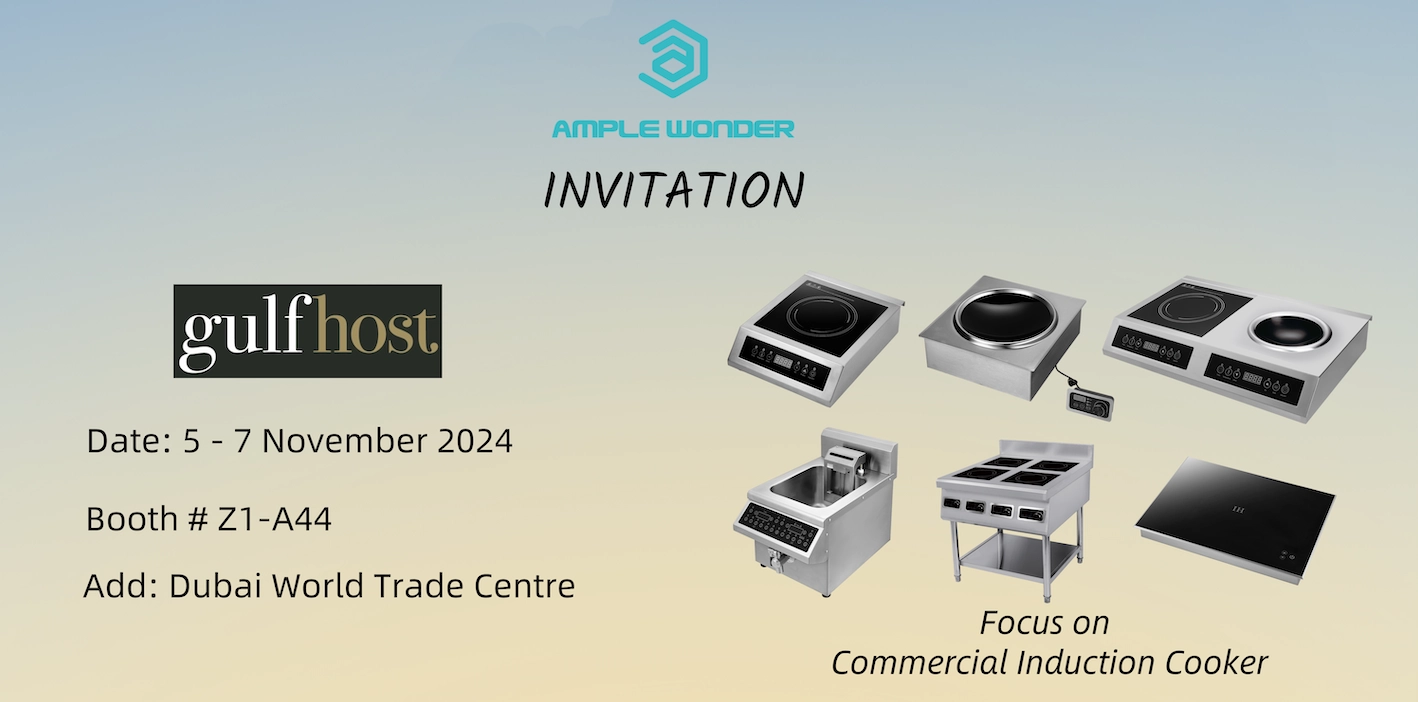
The Gulfhost Fair in Dubai, 5 -7 November, 2024
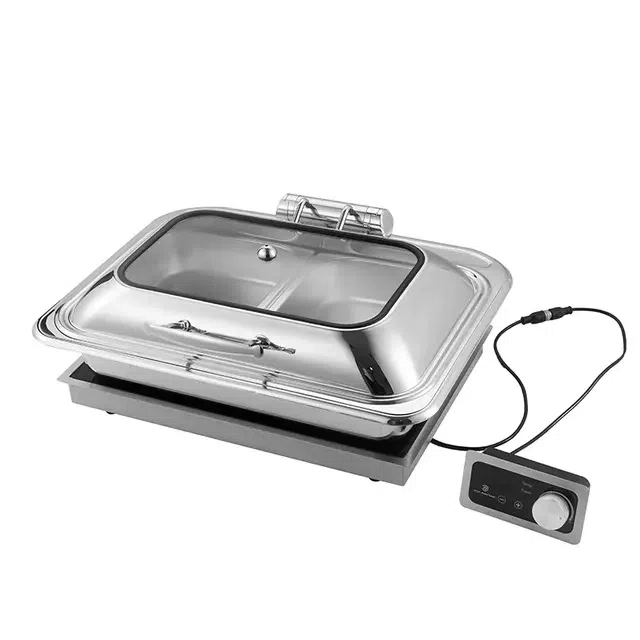
Sustainability And Innovation in The Kitchen: The Role of Commercial Induction Warmers
Any Questions? Get In Touch.
We Can Recommend Suitable Products According To Your Needs.
Any Questions? Get In Touch.
We Can Recommend Suitable Products According To Your Needs.
Get a InquiryMessages
We will contact you within one working day. Please pay attention to your email.
Quick Link
Contact
WhatsApp: 86-13631158918
Skype: steven66668
Address:
703 Room, Block 8, Lingchao Manufacturing Park, No.33 Huafa Road, Huakou Community, Ronggui, Shunde district, Foshan City, Guangdong , China