Induction Fryers: A Sustainable Choice for Professional Kitchens
Jan 26,2026


Induction Fryers: A Sustainable Choice for Professional Kitchens
Table of Contents
1. Introduction to Induction Fryers
2. The Science Behind Induction Cooking
2.1 How Induction Fryers Work
2.2 Comparing Traditional Frying Methods
3. Key Benefits of Induction Fryers
3.1 Energy Efficiency in Professional Kitchens
3.2 Cooking Precision and Speed
3.3 Safety Features of Induction Fryers
4. Environmental Impact of Induction Fryers
4.1 Reducing Carbon Footprint
4.2 Sustainable Cooking Practices
5. Choosing the Right Induction Fryer for Your Kitchen
5.1 Key Features to Consider
5.2 Top Brands in the Market
6. Maintenance and Care of Induction Fryers
7. FAQs About Induction Fryers
8. Conclusion
1. Introduction to Induction Fryers
Induction fryers represent a revolutionary advancement in cooking technology, particularly within professional kitchen environments. As culinary professionals seek more efficient and sustainable cooking solutions, induction fryers are emerging as a leading choice. They offer a perfect blend of speed, efficiency, and safety, making them indispensable for modern kitchens. In this article, we will explore how induction fryers work, their numerous benefits, and why they’re considered a sustainable choice for professional kitchens.
2. The Science Behind Induction Cooking
Induction cooking utilizes electromagnetic fields to transfer heat directly to induction-compatible cookware. This method contrasts sharply with traditional cooking methods that rely on thermal conduction from a flame or electric heat source.
2.1 How Induction Fryers Work
At the heart of an induction fryer is a coil of copper wire beneath the cooking surface. When an induction-compatible pot or pan is placed on the surface and the fryer is activated, an electric current flows through the coil, generating a magnetic field. This magnetic field induces currents in the cookware, producing heat directly within the pot or pan. This results in rapid and even heating, significantly reducing cooking times and energy consumption.
2.2 Comparing Traditional Frying Methods
Traditional frying methods often involve gas burners or electric coils, which heat the cooking surface first, and then transfer that heat to the cookware. This process is less efficient and can lead to uneven cooking temperatures. Additionally, traditional fryers often waste energy by heating the surrounding air and surfaces, whereas induction fryers efficiently target only the pan, making them a smarter choice for busy commercial kitchens.
3. Key Benefits of Induction Fryers
The advantages of induction fryers extend beyond mere cooking efficiency. They offer a range of benefits that support both culinary excellence and operational sustainability.
3.1 Energy Efficiency in Professional Kitchens
One of the most compelling reasons to switch to induction fryers is their energy efficiency. Induction cooktops utilize approximately 90% of the generated heat, compared to only 40-60% for traditional cooking methods. This means less energy consumption, resulting in lower utility bills and a more eco-conscious operation.
3.2 Cooking Precision and Speed
Induction fryers provide unparalleled cooking precision. Chefs can quickly adjust temperatures with immediate effect, allowing for better control over cooking processes. This quick response time enhances cooking speed, enabling kitchens to serve customers faster during peak hours.
3.3 Safety Features of Induction Fryers
Safety is a paramount concern in any professional kitchen. Induction fryers come equipped with safety features that make them safer than traditional fryers. The cooking surface remains cool to the touch, reducing the risk of burns. Furthermore, induction fryers automatically shut off when cookware is removed, preventing accidents.
4. Environmental Impact of Induction Fryers
As sustainability becomes increasingly important in the culinary world, induction fryers offer a practical solution for environmentally-conscious chefs and restaurant operators.
4.1 Reducing Carbon Footprint
By consuming less energy, induction fryers contribute to a reduction in a restaurant's overall carbon footprint. The proliferation of induction technology in professional kitchens can significantly lessen the environmental impact associated with food preparation.
4.2 Sustainable Cooking Practices
Using induction fryers encourages sustainable practices in other areas of the kitchen. The focused heat reduces food waste by ensuring more consistent cooking outcomes, and many induction fryers are designed to be compatible with energy-efficient appliances and cooking methods.
5. Choosing the Right Induction Fryer for Your Kitchen
Selecting the appropriate induction fryer for your professional kitchen involves more than just understanding the technology. You need to consider various factors that will impact your cooking experience and kitchen efficiency.
5.1 Key Features to Consider
When choosing an induction fryer, consider the following features:
1. **Size and Capacity**: Determine the volume of food you typically prepare to select a fryer that meets your needs.
2. **Temperature Range**: Look for models that offer a wide temperature range for versatile cooking options.
3. **Control Interface**: Intuitive controls can enhance user experience, making it easier for staff to operate.
4. **Build Quality**: Opt for durable materials that withstand the rigors of a professional kitchen.
5.2 Top Brands in the Market
Several reputable brands manufacture high-quality induction fryers. Brands such as **Vulcan**, **Frymaster**, and **Cleveland** are known for their reliability and performance. Researching and reading reviews can help you make an informed choice.
6. Maintenance and Care of Induction Fryers
Maintaining an induction fryer is relatively straightforward, but it’s crucial for ensuring long-term performance. Regular cleaning of the surface and components will prevent build-up and ensure efficient operation. Follow the manufacturer's guidelines for maintenance, and check electrical connections regularly for signs of wear or damage.
7. FAQs About Induction Fryers
7.1 Are induction fryers safe to use?
Yes, induction fryers are generally safer than traditional frying methods due to their cool surfaces and automatic shut-off features.
7.2 Can any cookware be used on induction fryers?
Only induction-compatible cookware made of ferrous materials, such as cast iron or magnetic stainless steel, will work on induction fryers.
7.3 Do induction fryers require special installation?
While most induction fryers can be plugged into standard electrical outlets, it's essential to consult with an electrician to ensure your kitchen is equipped to handle the power requirements.
7.4 How do induction fryers compare in cost to traditional fryers?
While induction fryers may have a higher upfront cost, their energy efficiency and reduced cooking times can lead to significant savings in the long run.
7.5 Are induction fryers versatile for different cooking styles?
Yes, induction fryers are incredibly versatile, enabling chefs to fry, sauté, boil, and simmer, making them suitable for various cooking styles.
8. Conclusion
In summary, induction fryers represent a sustainable and efficient choice for professional kitchens. Their energy efficiency, cooking precision, and safety features make them an ideal option for chefs looking to enhance their culinary operations while minimizing their environmental impact. As the culinary industry continues to evolve towards more sustainable practices, embracing induction fryers is not just an investment in equipment; it is an investment in the future of cooking. By making this transition, restaurants can deliver outstanding culinary experiences while contributing positively to the environment.
Latest News
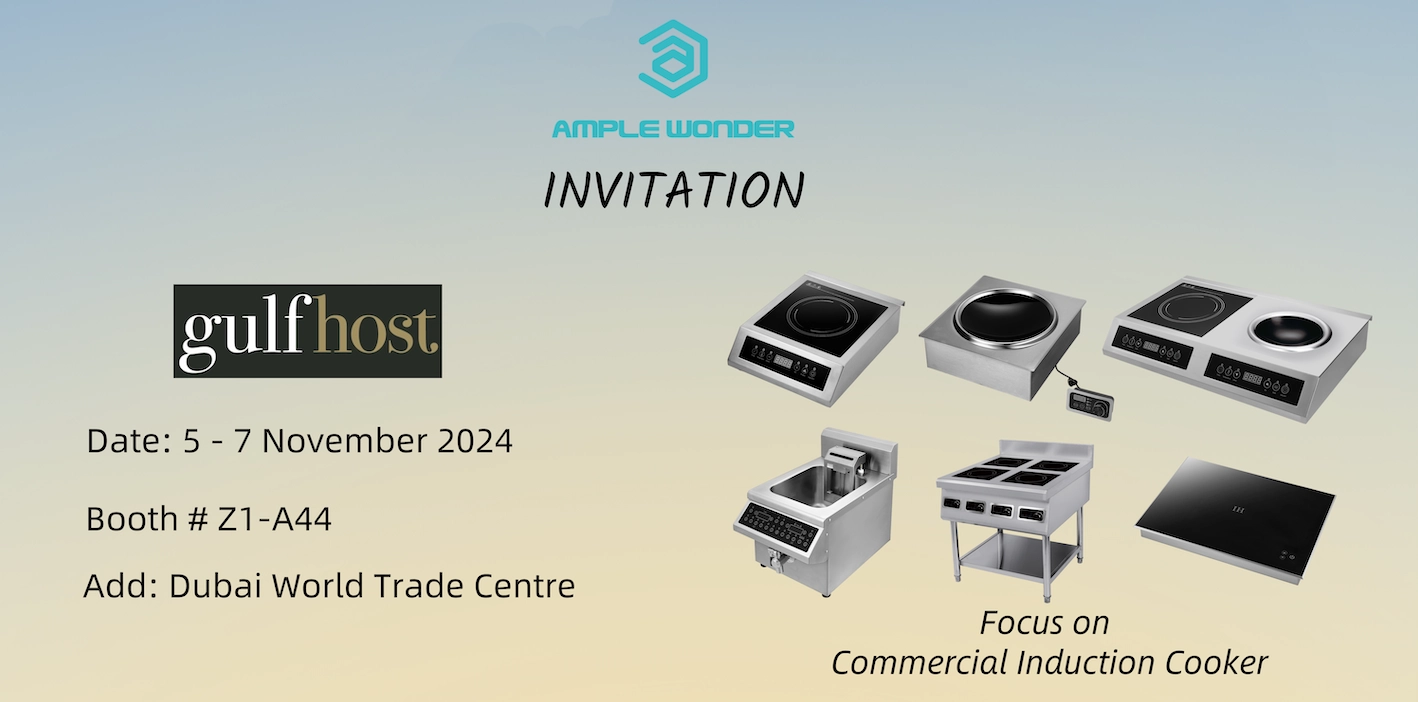
The Gulfhost Fair in Dubai, 5 -7 November, 2024
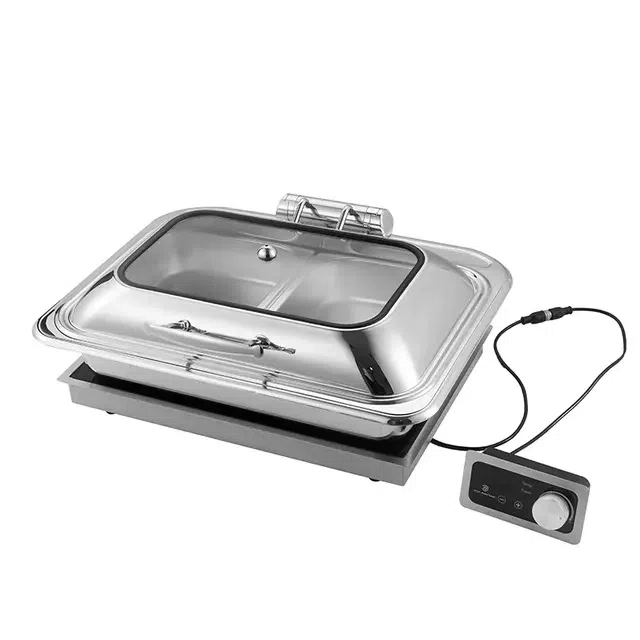
Sustainability And Innovation in The Kitchen: The Role of Commercial Induction Warmers
Any Questions? Get In Touch.
We Can Recommend Suitable Products According To Your Needs.
Any Questions? Get In Touch.
We Can Recommend Suitable Products According To Your Needs.
Get a InquiryMessages
We will contact you within one working day. Please pay attention to your email.
Quick Link
Contact
WhatsApp: 86-13631158918
Skype: steven66668
Address:
703 Room, Block 8, Lingchao Manufacturing Park, No.33 Huafa Road, Huakou Community, Ronggui, Shunde district, Foshan City, Guangdong , China