How to Choose the Right Size Commercial Induction Cooker for Your Kitchen
Jan 22,2026


How to Choose the Right Size Commercial Induction Cooker for Your Kitchen
When it comes to setting up a kitchen, whether for a bustling restaurant or a cozy café, choosing the right equipment is crucial. Among the various kitchen appliances, the commercial induction cooker stands out for its efficiency, speed, and safety. However, selecting the appropriate size for your induction cooker can be a daunting task. In this article, we will guide you through the critical factors to consider when choosing the right size commercial induction cooker for your kitchen.
Understanding Commercial Induction Cookers
Before diving into size specifications, it's essential to grasp what a commercial induction cooker is and how it functions. Induction cooking uses electromagnetic energy to heat pots and pans directly, resulting in faster cooking times and less wasted heat. This method not only speeds up the cooking process but also enhances safety, as the cooktop itself remains relatively cool.
The Advantages of Induction Cooking
Many kitchens are transitioning toward induction cookers due to their numerous advantages:
- Energy Efficiency: Induction cookers utilize about 90% of the energy they consume, compared to traditional gas or electric stoves, which only convert about 70% of their energy into heat.
- Precision Temperature Control: Induction cookers offer precise temperature adjustments, allowing chefs to maintain consistent cooking conditions.
- Safety Features: With induction cookers, there's a reduced risk of burns since the cooktop cools down quickly once the cookware is removed.
- Easy to Clean: The smooth surface of induction cookers makes them easier to clean, as spills do not burn onto the surface.
Key Factors to Consider When Choosing the Right Size
1. Assessing Your Cooking Volume
The first step in determining the appropriate size for your commercial induction cooker is to assess your cooking volume. Consider the following questions:
- How many dishes do you prepare in a typical service?
- What types of meals do you serve?
- How many burners do you need simultaneously?
For instance, a small café may thrive with a single-burner induction cooker, while a large restaurant might require a model with multiple burners to handle simultaneous meal preparation efficiently.
2. Size of Your Cookware
The size and type of cookware you plan to use significantly influence the size of the induction cooker you need. Induction cookers require compatible cookware, which includes ferrous materials. Ensure your pots and pans are induction-ready and measure their dimensions to align with the cooker's specifications.
Common Cookware Sizes
Here are common cookware sizes and their corresponding induction cooker recommendations:
- Small Cookware (up to 20 cm): A single-burner induction cooker is sufficient.
- Medium Cookware (20 cm to 30 cm): Consider a two-burner induction cooker for flexibility.
- Large Cookware (over 30 cm): A multi-burner induction cooker will be necessary for large pots and pans.
3. Available Kitchen Space
Another critical aspect to consider is the available space in your kitchen. Measure the area where you plan to place the induction cooker, taking into account not only the footprint of the unit itself but also the surrounding space needed for safe cooking and maneuverability.
Tips for Space Management
Here are some tips for effectively managing kitchen space:
- Ensure proper ventilation, especially if using multiple burners.
- Leave adequate space for prep areas and other kitchen equipment.
- Consider the layout of your kitchen: L-shaped, U-shaped, or galley styles may affect the size choices.
4. Power Requirements
Induction cookers require specific electrical requirements to function effectively. Investigate the power supply in your kitchen and ensure it meets the cooker's needs. Commercial induction cookers often have higher wattage requirements, so consulting with an electrician may be necessary.
Understanding Wattage Needs
Here’s a general breakdown of wattage requirements for induction cookers:
- Single-Burner Induction Cooker: Typically requires 1200 to 1800 watts.
- Two-Burner Induction Cooker: Generally requires 3600 watts or more.
- Multi-Burner Induction Cooker: Can require up to 7000 watts or higher, depending on the number of burners.
Choosing Between Built-In and Portable Models
You also need to decide whether to opt for a built-in or portable induction cooker. Both options have their advantages:
Built-In Induction Cookers
These models are integrated into your kitchen design, providing a seamless look. They typically offer greater power and functionality, making them ideal for high-volume cooking. However, installation may require professional help, and they are less flexible in terms of movement.
Portable Induction Cookers
Portable induction cookers are versatile and can be moved to different areas in the kitchen or even used for outdoor cooking. While they may not offer the same power as built-in models, they are excellent for smaller operations or as supplementary units.
Budget Considerations
Budget is often a significant determining factor when selecting kitchen appliances. Commercial induction cookers come in a wide price range, influenced by size, power, and brand. It's essential to balance your budget with the features you need to support your cooking requirements.
Long-Term Investment
While it may be tempting to choose a less expensive model, consider the long-term benefits of investing in a high-quality induction cooker. A reliable unit can enhance efficiency, reduce energy costs, and improve the overall cooking experience.
Maintenance and Support
Choosing a model that comes with excellent customer support and warranty options is crucial. Regular maintenance will prolong the life of your induction cooker, ensuring it functions correctly for years to come. Consider the availability of service centers and replacement parts when making your decision.
Cleaning and Care Tips
Keeping your induction cooker clean is simple:
- Use a damp cloth to wipe down surfaces after cooking.
- For stubborn stains, a mild detergent can be used.
- Avoid abrasive cleaners or scouring pads that can scratch the surface.
Conclusion
Choosing the right size commercial induction cooker for your kitchen is a vital step toward creating an efficient cooking environment. By considering factors such as cooking volume, cookware size, available space, power requirements, and budget constraints, you can make an informed decision that best suits your culinary needs. Whether you opt for a built-in or portable model, investing in a quality induction cooker will significantly enhance your cooking experience, making meal preparation more efficient, safe, and enjoyable.
FAQs
1. What is the difference between induction cooking and traditional cooking?
Induction cooking uses electromagnetic energy to heat the cookware directly, while traditional cooking methods heat the stovetop first, which then transfers heat to the cookware. This makes induction cooking faster and more energy-efficient.
2. Can I use any cookware on an induction cooker?
No, only ferrous (magnetic) cookware is suitable for induction cooking. It’s essential to check that your pots and pans are induction-compatible.
3. How do I determine the wattage needed for my kitchen?
The wattage needed depends on the number of burners and the type of cooking you’ll be doing. Typically, a single burner needs around 1200 to 1800 watts, while multi-burner models require higher wattage.
4. Are portable induction cookers less powerful than built-in models?
Generally, portable induction cookers may have lower wattage compared to built-in models, making them suitable for less demanding cooking tasks or as supplementary units.
5. How do I maintain my commercial induction cooker?
Regular cleaning with a damp cloth, avoiding abrasive materials, and following manufacturer guidelines for maintenance will help prolong the life of your induction cooker.
Latest News
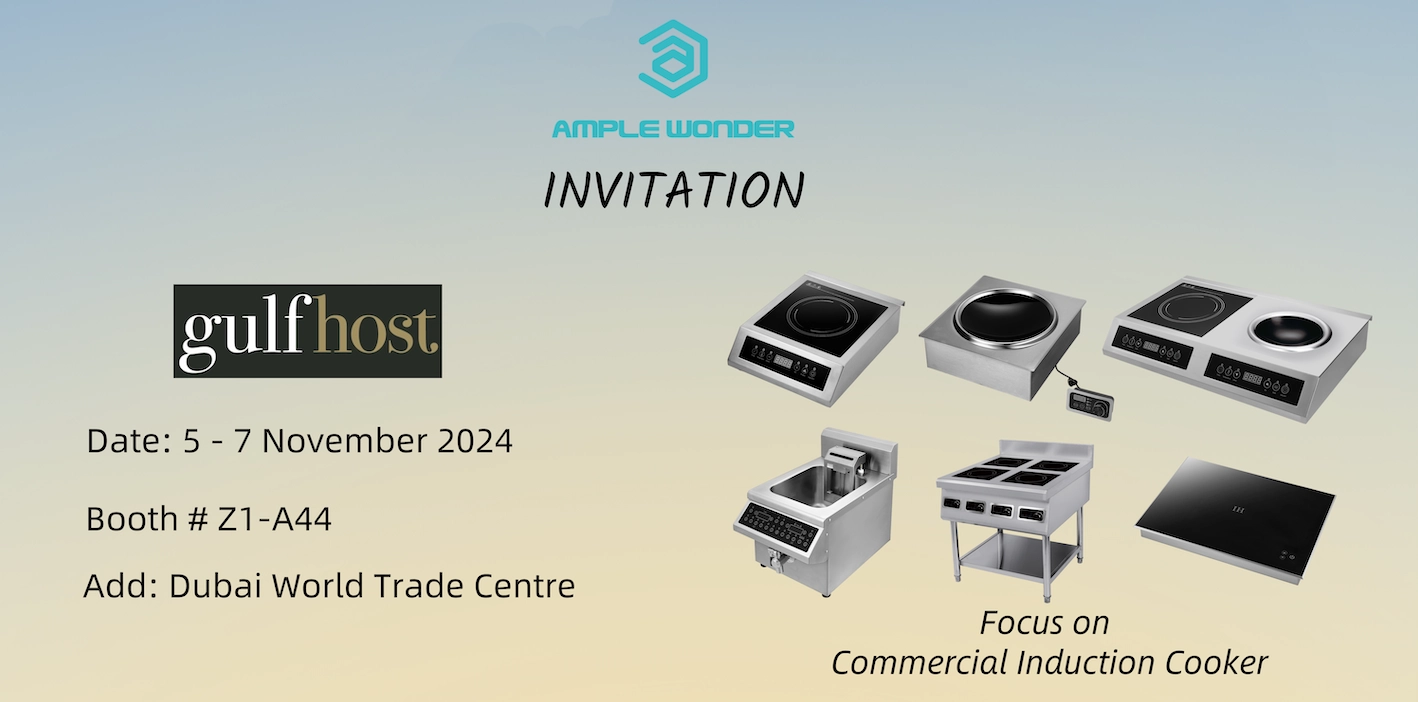
The Gulfhost Fair in Dubai, 5 -7 November, 2024
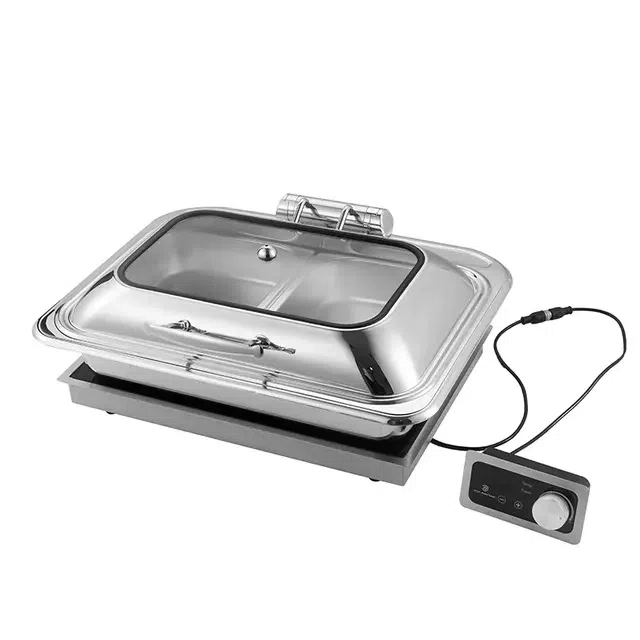
Sustainability And Innovation in The Kitchen: The Role of Commercial Induction Warmers
Any Questions? Get In Touch.
We Can Recommend Suitable Products According To Your Needs.
Any Questions? Get In Touch.
We Can Recommend Suitable Products According To Your Needs.
Get a InquiryMessages
We will contact you within one working day. Please pay attention to your email.
Quick Link
Contact
WhatsApp: 86-13631158918
Skype: steven66668
Address:
703 Room, Block 8, Lingchao Manufacturing Park, No.33 Huafa Road, Huakou Community, Ronggui, Shunde district, Foshan City, Guangdong , China